Quick Order Cart

Cat. No. ARG1438

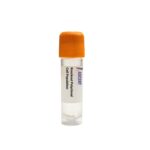
MMAB Knockout Raji Polyclonal Cells

  • Product Type:

    Polyclonal Cell Population

  • Species:

    Homo sapiens (Human)

  • Tissue Source:

    Bone

  • Disease:

    Burkitt lymphoma

The MMAB Knockout Raji Polyclonal Cells are a CRISPR/Cas9-edited polyclonal population derived from Raji B lymphocytes, engineered to disrupt the mitochondrial cobalamin adenosyltransferase MMAB. This loss-of-function model ablates adenosylcobalamin synthesis, which is required for methylmalonyl-CoA mutase (MUT) activity and the conversion of methylmalonyl-CoA to succinyl-CoA. These cells provide a robust system for studying cblB-type methylmalonic aciduria, vitamin B12 metabolism, and mitochondrial dysfunction. Applications include metabolic rescue screening, methylmalonic acid quantitation, and integrated immunometabolic analyses, leveraging the B cell markers CD19 and CD20.

Inquire Now

In stock

Ships next business day


Ask a Question

Shipping Info:

Cryopreserved in vials and shipped on dry ice


Disclaimer:

For Research Use Only

  • Characteristics

    Host Cell

    Raji

    Cell Type

    B cell line

    Sex of Donor

    Male

    Age

    11 years

    Derived From Site

    In situ; Maxilla

    Gene Name

    MMAB

    Gene Identifier

    NCBI Gene ID 326625

    Morphology

    Lymphoblast-like

    Growth Mode

    Suspension

    Storage

    Liquid nitrogen (LN2)

  • Culture Conditions

    Growth medium

    RPMI 1640

    Supplement(s)

    10% Fetal Bovine Serum, 1% Penicillin-Streptomycin Solution

    Temperature

    37°C

    Atmosphere

    5% COâ‚‚

  • Quality Control

    Sterility testing

    The bacterial, yeast, and fungi are not detected in these cells by daily monitor.

    Mycoplasma testing

    Negative for mycoplasma through PCR analysis

  • Disclaimer

    Intended Use

    This product is intended for laboratory in vitro use only. It is not intended for diagnostic, therapeutic, or clinical applications.

    Disclaimer

    Ascent Research endeavors to provide accurate and up-to-date product information. However, no warranties or representations are made regarding its completeness or reliability. References to scientific literature and patents are for informational purposes only, and the customer assumes sole responsibility for verifying their accuracy.

    By accepting this product, the customer acknowledges and agrees to assume all risks associated with its receipt, handling, storage, disposal, and use, including compliance with all applicable safety and environmental regulations and precautions. Relevant laws, regulations, and ethical guidelines must be followed in conducting any research, modifications, or derivatives derived from this product.

    This product is provided "AS IS", and except as expressly stated herein, Ascent Research disclaims all other warranties, express or implied. Under no circumstances shall Ascent Research, its affiliates, or representatives be liable for indirect, incidental, consequential, or punitive damages arising from the use of this material. While Ascent Research employs rigorous quality control measures, we shall not be held responsible for damages resulting from misidentification or misinterpretation of the provided materials.

Description

The MMAB Knockout Raji Polyclonal Cells represent a CRISPR/Cas9-edited human B lymphocyte population engineered for targeted disruption of the MMAB gene. Derived from the Raji cell line, this polyclonal knockout model abolishes expression of the mitochondrial cobalamin adenosyltransferase enzyme, providing a powerful tool to investigate disorders of cobalamin metabolism. The mixed knockout cell pool retains the genetic and phenotypic heterogeneity inherent to polyclonal editing, enabling robust assessment of MMAB-dependent functions in a physiological context.

Raji cells are a well-characterized suspension B lymphocyte line originating from an EBV-positive Burkitt??s lymphoma. They endogenously express markers such as CD19 and CD20, reflecting their mature B cell origin. As a model for immune cell biology, Raji cells exhibit rapid proliferation and are amenable to a wide array of genetic and biochemical manipulations, making them an ideal chassis for studying metabolic pathways that intersect with immune function.

MMAB encodes a mitochondrial ATP:cob(I)alamin adenosyltransferase, which catalyzes the final step in adenosylcobalamin (AdoCbl) biosynthesis. AdoCbl functions as an essential cofactor for methylmalonyl-CoA mutase (MUT), the enzyme responsible for isomerizing methylmalonyl-CoA to succinyl-CoA. This reaction is a key node in the catabolism of propionate, branched-chain amino acids, and odd-chain fatty acids. MMAB activity is regulated by intracellular cobalamin availability and mitochondrial biogenesis programs. It physically interacts with the chaperone MMAA and with MUT to ensure efficient cofactor delivery. Disruption of MMAB thus impairs MUT activation, leading to accumulation of methylmalonyl-CoA and its hydrolysis product methylmalonic acid, while depleting succinyl-CoA pools required for the tricarboxylic acid cycle.

In the Raji B lymphocyte background, MMAB knockout generates a model that dissects the intersection between mitochondrial one-carbon metabolism and immune cell homeostasis. Because Raji cells maintain active mitochondrial respiration, the loss of MMAB permits examination of how impaired AdoCbl synthesis influences cell proliferation, survival, and metabolic adaptation in a lymphoma-relevant context. Moreover, the expression of B cell surface markers allows for concurrent analysis of immune-related phenotypes alongside metabolic dysfunction.

These MMAB knockout cells are ideally suited for dissecting the molecular pathology of cblB-type methylmalonic aciduria, including investigations into vitamin B12 metabolic trafficking and mitochondrial energy failure. They can be employed in metabolic rescue screens, where restoration of AdoCbl synthesis is monitored by adenosyltransferase activity assays or LC-MS?Cbased quantitation of methylmalonic acid. Proliferation assays under varying cobalamin concentrations provide insight into B12-dependent growth, while metabolic flux analysis reveals rerouting of propionate-derived carbons. Flow cytometric profiling of CD19 and CD20 maintains immune identity, enabling concurrent immunophenotypic and metabolic assessments. For further information, please contact Ascent Research.


Reset Password

    Reach Us Questions? Click Me Here!

    Fill out the form below and a member of our team will contact you shortly!

    *Required field


      Reach Us

      Fill out the form below and a member of our team will contact you shortly!

      *Required field

      Product Inquiry (Optional)