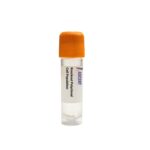
MPST Knockout Raji Polyclonal Cells are a CRISPR/Cas9-edited polyclonal knockout cell population derived from the Raji human B lymphocyte suspension cell line. This product comprises a heterogeneous pool of cells harboring targeted disruptions in the MPST (mercaptopyruvate sulfurtransferase) gene, a critical enzyme in mitochondrial sulfur metabolism. The polyclonal knockout pool enables loss-of-function studies in a population context, minimizing clonal biases associated with single-cell-derived lines. It is intended for research applications requiring a robust knockout background in a well-characterized lymphoma model.
The Raji host cell line is an EBV-positive Burkitt??s lymphoma human B lymphocyte cultured in suspension. Raji cells serve as a standard model for investigating B-cell malignancies, EBV biology, and lymphoid signaling cascades. Their rapid proliferation, stable karyotype, and extensive molecular characterization provide a reliable platform for genetic perturbation studies and high-throughput assays.
MPST catalyzes the transfer of sulfur from 3-mercaptopyruvate to generate hydrogen sulfide (H2S), a gaseous signaler that modulates protein sulfhydration and mitochondrial electron transport. The enzyme is transcriptionally regulated by NF-??B, STAT3, and HIF-1??, and its activity responds to reactive oxygen species (ROS) and TNF-??. MPST interacts with thioredoxin (TXN), sulfide:quinone oxidoreductase (SQR), and transsulfuration pathway partners cystathionine ??-lyase (CSE) and cystathionine ??-synthase (CBS). Downstream, MPST-derived H2S sulfhydrates NF-??B, influences the Keap1/Nrf2 pathway, and modulates MAPK and PI3K/Akt signaling, thereby integrating redox homeostasis, inflammation, and survival.
In Raji B-lymphoma cells, MPST disruption abolishes H2S production, altering redox balance, compromising mitochondrial respiration, and impairing cell fitness. Loss of protein sulfhydration sensitizes cells to oxidative stress and apoptosis, as reflected by caspase-3 activation. This model is valuable for examining how H2S depletion impacts NF-??B-driven proliferation, inflammatory cytokine output, and chemosensitivity, without the confounding effects of clonal adaptation. It supports dissection of MPST-dependent vulnerabilities in B-cell malignancies.
These polyclonal knockout cells are suited for H2S fluorometric detection, Seahorse mitochondrial stress tests, and western blotting for apoptotic markers. They enable RT-qPCR analysis of MPST and IL-6, flow cytometry for Annexin V/propidium iodide staining, and MTT/XTT viability assays. Drug dose-response and transwell migration experiments can probe the role of H2S in chemoresistance and motility. Applications span lymphoma biology, redox signaling, and therapeutic target validation. For further details, contact Ascent Research.