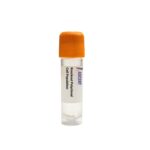
The MSI2 Knockout Raji Polyclonal Cells product consists of a CRISPR/Cas9-edited polyclonal knockout cell population derived from the Raji B-lymphocyte cell line, engineered for loss-of-function studies of the MSI2 gene. This polyclonal population carries heterogeneous disruptions in MSI2, providing a robust model to assess gene function without clonal selection effects. It is supplied as a ready-to-use culture suitable for downstream molecular and cellular assays.
Raji cells are lymphoblastoid B lymphocytes originally isolated from a patient with Burkitt??s lymphoma and are Epstein-Barr virus (EBV) positive. They serve as a well-characterized model for B-cell malignancies, exhibiting rapid proliferation and retaining features of mature antibody-producing B cells. The transformed phenotype of Raji cells makes them particularly valuable for investigating oncogenic mechanisms and therapeutic interventions in hematopoietic cancers.
MSI2 encodes an RNA-binding protein that functions as a translational repressor, critically regulating stem cell self-renewal and hematopoietic development. It directly binds and suppresses the translation of target mRNAs including NUMB, CDKN1A (p21), and MYC, thereby modulating Notch, Wnt/??-catenin, and mTOR signaling pathways. MSI2 activity is governed by upstream factors such as the Notch intracellular domain (NICD), STAT3, and inflammatory cytokines like IL-6. MSI2 also interacts with poly(A)-binding protein (PABP), eIF4E, LIN28, and components of RNA stress granules, forming regulatory complexes that control mRNA fate. Disruption of MSI2 in this knockout model relieves translational inhibition of NUMB and p21, leading to altered Notch signaling via HES1 and impacting MYC-driven proliferation.
In the Raji cell context, MSI2 knockout provides a physiologically relevant platform to dissect the role of RNA-binding proteins in B-cell lymphoma biology. Because Raji cells harbor MYC deregulation and active Notch signaling, MSI2 loss-of-function may perturb cell growth, survival, and drug sensitivity, offering insights into potential therapeutic vulnerabilities. The polyclonal nature of the knockout population reduces the risk of clone-specific artifacts and facilitates the study of heterogeneous biological responses.
This knockout cell population is well-suited for functional analysis of MSI2 in hematopoietic malignancies, validation of therapeutic targets in leukemia, and investigation of post-transcriptional gene regulation in B cells. Representative assays include Western blotting, RT-qPCR, RNA immunoprecipitation, flow cytometry, proliferation assays, and drug sensitivity testing. For additional technical details or ordering information, please contact Ascent Research.