Security Notice: Please be aware of impersonation attempts using our company name
Legitimate communications from Ascent Research will only come from official @ascentresearch.com email addresses.
Quick Order Cart

Cat. No. ARG0092

MUC4 Knockout A-549 Cell Line

  • Product Type:

    Genome-edited Cells

  • Tissue Source:

    Lung

  • Disease:

    Carcinoma

  • Gene Species:

    Homo sapiens (Human)

MUC4 Knockout A-549 is a human CRISPR/Cas9-edited alveolar epithelial adenocarcinoma cell line with disruption of the membrane-associated mucin MUC4. In the A-549 lung epithelial cancer background, this model supports analysis of glycocalyx organization, mucosal barrier properties, and MUC4-dependent receptor signaling involving ERBB2 and EGFR, with downstream effects on AKT and ERK1/2 phosphorylation, proliferation, survival, adhesion, and motility. It is well suited for mucin biology, lung cancer signaling, invasion and metastasis studies, and drug response experiments using western blotting, RT-qPCR, immunofluorescence, co-immunoprecipitation, phospho-signaling, migration, invasion, and apoptosis assays.

Inquire Now

In stock

Ships next business day


Ask a Question

Shipping Info:

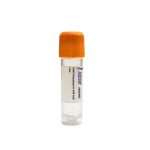
Cryopreserved in vials and shipped on dry ice


Disclaimer:

For Research Use Only

  • Characteristics

    Host Cell

    A-549

    Morphology

    Epithelial-like

    Age

    58 years

    Sex of Donor

    Male

    Gene Name

    MUC4

    Gene Species

    Homo sapiens (Human)

    Gene Identifier

    NCBI Gene ID 4585

  • Culture Conditions

    Temperature

    37°C

    Atmosphere

    5% CO₂

  • Quality Control

    Sterility testing

    Daily monitoring confirms that the cells are free from bacterial, yeast, and fungal contamination.

    Mycoplasma testing

    Negative for mycoplasma through PCR analysis

    Pathogens

    Cells tested negative for HIV-1, HBV, and HCV.

  • Disclaimer

    Intended Use

    This product is intended for laboratory in vitro use only. lt is not intended for diagnostic, therapeutic, or clinical applications.

    Disclaimer

    Ascent Research endeavors to provide accurate and up-to-date product information. However, no warranties or representations are made regarding its completeness or reliability. References to scientific literature and patents are for informational purposes only, and the customer assumes sole responsibility for verifying their accuracy.

    By accepting this product, the customer acknowledges and agrees to assume all risks associated with its receipt, handling, storage, disposal, and use, including compliance with all applicable safety and environmental regulations and precautions. Relevant laws, regulations, and ethical guidelines must be followed in conducting any research, modifications, or derivatives derived from this product.

    This product is provided "AS IS", and except as expressly stated herein, Ascent Research disclaims all other warranties, express or implied. Under no circumstances shall Ascent Research, its affiliates, or representatives be liable for indirect, incidental, consequential, or punitive damages arising from the use of this material. While Ascent Research employs rigorous quality control measures, we shall not be held responsible for damages resulting from misidentification or misinterpretation of the provided materials.

Description

The MUC4 Knockout A-549 Cell Line is a human CRISPR/Cas9-engineered alveolar epithelial adenocarcinoma model in which the MUC4 gene has been disrupted to eliminate functional MUC4 expression. This stable in vitro cell line provides a defined system for investigating the consequences of MUC4 loss in a pulmonary epithelial cancer background. Because MUC4 is a membrane-associated mucin that contributes to apical surface architecture and receptor-linked signaling, its knockout in A-549 enables controlled analysis of glycocalyx-dependent and signaling-dependent phenotypes.

A-549 is a widely used human lung adenocarcinoma epithelial cell line that models key aspects of airway and alveolar epithelial biology, including epithelial barrier function, mucosal surface organization, mucin expression, host-pathogen interaction, and carcinoma-associated responses. Its relevance to lung adenocarcinoma and non-small cell lung cancer research has made it a standard platform for studies of epithelial differentiation, cytokine responsiveness, drug sensitivity, and oncogenic signaling. In addition to pulmonary disease applications, A-549 cells are informative for broader investigations of epithelial adhesion, motility, and mucosal barrier regulation.

MUC4 encodes a large membrane-tethered mucin that participates in glycocalyx organization and modulates receptor tyrosine kinase signaling. It has been linked mechanistically to ERBB2 and EGFR signaling complexes and can mediate downstream PI3K-AKT and MAPK-ERK pathway output, including changes in AKT and ERK1/2 phosphorylation, cyclin D1 expression, survival signaling, and apoptosis resistance. MUC4 is regulated by inflammatory and growth-associated inputs including TNF, IFNG, IL6, TGFB1, EGFR signaling, KRAS-MAPK signaling, hypoxia, and the transcription factors SP1, STAT3, and NFKB1. Interactions with ERBB2, EGFR, galectin-3, ezrin, SRC family kinases, MUC1, and receptor tyrosine kinase adaptors position MUC4 at the interface of epithelial surface organization and carcinoma signaling, with relevance to lung adenocarcinoma, metastasis, mucin-driven chemoresistance, and airway epithelial disease.

Within the A-549 background, MUC4 knockout is particularly useful for separating mucin-dependent effects on barrier-associated glycocalyx properties from receptor-proximal signaling effects that influence proliferation, migration, invasion, and treatment response. Loss of MUC4 can be examined in the context of epithelial differentiation programs, cytokine stimulation, EGFR or ERBB2 pathway activation, and responses to TGFB1- or KRAS-MAPK-associated signaling states. This makes the model suitable for studying pathway dependency, compensatory regulation by other mucins, and transcriptional adaptation in a lung epithelial carcinoma setting.

This cell line supports mechanistic studies using western blotting and phospho-signaling analysis for ERBB2, AKT, ERK1/2, and STAT3 pathway readouts; RT-qPCR and RNA-seq for transcriptional responses downstream of SP1, NFKB, or cytokine exposure; and co-immunoprecipitation or immunofluorescence to investigate interactions involving EGFR, ERBB2, galectin-3, ezrin, or MUC1. It is also applicable to flow cytometry and glycoprotein staining for surface phenotype assessment, as well as proliferation, apoptosis, migration, invasion, and drug sensitivity assays to define how MUC4 disruption alters carcinoma-associated survival and motility phenotypes. Researchers may contact Ascent Research for additional technical information, product details, or related gene-edited cell models.


Reset Password

    Reach Us Questions? Click Me Here!

    Fill out the form below and a member of our team will contact you shortly!

    *Required field


      Reach Us

      Fill out the form below and a member of our team will contact you shortly!

      *Required field

      Product Inquiry (Optional)