Quick Order Cart

Cat. No. ARG1473

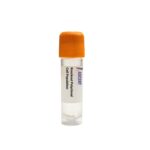
MYC Knockout Raji Polyclonal Cells

  • Product Type:

    Polyclonal Cell Population

  • Species:

    Homo sapiens (Human)

  • Tissue Source:

    Bone

  • Disease:

    Burkitt lymphoma

The MYC Knockout Raji Polyclonal Cells provide a CRISPR/Cas9?edited polyclonal population of Raji B lymphoblastoid cells with targeted disruption of the MYC proto?oncogene. Originating from Burkitt lymphoma, the Raji line is EBV?positive and serves as a model for B lymphocyte biology and humoral immunity, with constitutive MYC dysregulation driving lymphomagenesis. MYC heterodimerizes with MAX and broadly controls transcription of genes in cell cycle (CCND2, CDK4), metabolism (LDHA, ODC1), and apoptosis (BCL2, BIM) downstream of WNT, MAPK/ERK, and PI3K/AKT pathways. This knockout model enables investigation of oncogene addiction, transcriptional profiling, compound screening with BET inhibitors such as JQ1, and metabolic and apoptotic analyses in B?cell lymphoma research.

Inquire Now

In stock

Ships next business day


Ask a Question

Shipping Info:

Cryopreserved in vials and shipped on dry ice


Disclaimer:

For Research Use Only

  • Characteristics

    Host Cell

    Raji

    Cell Type

    B cell line

    Sex of Donor

    Male

    Age

    11 years

    Derived From Site

    In situ; Maxilla

    Gene Name

    MYC

    Gene Identifier

    NCBI Gene ID 4609

    Morphology

    Lymphoblast-like

    Growth Mode

    Suspension

    Storage

    Liquid nitrogen (LN2)

  • Culture Conditions

    Growth medium

    RPMI 1640

    Supplement(s)

    10% Fetal Bovine Serum, 1% Penicillin-Streptomycin Solution

    Temperature

    37°C

    Atmosphere

    5% COâ‚‚

  • Quality Control

    Sterility testing

    The bacterial, yeast, and fungi are not detected in these cells by daily monitor.

    Mycoplasma testing

    Negative for mycoplasma through PCR analysis

  • Disclaimer

    Intended Use

    This product is intended for laboratory in vitro use only. It is not intended for diagnostic, therapeutic, or clinical applications.

    Disclaimer

    Ascent Research endeavors to provide accurate and up-to-date product information. However, no warranties or representations are made regarding its completeness or reliability. References to scientific literature and patents are for informational purposes only, and the customer assumes sole responsibility for verifying their accuracy.

    By accepting this product, the customer acknowledges and agrees to assume all risks associated with its receipt, handling, storage, disposal, and use, including compliance with all applicable safety and environmental regulations and precautions. Relevant laws, regulations, and ethical guidelines must be followed in conducting any research, modifications, or derivatives derived from this product.

    This product is provided "AS IS", and except as expressly stated herein, Ascent Research disclaims all other warranties, express or implied. Under no circumstances shall Ascent Research, its affiliates, or representatives be liable for indirect, incidental, consequential, or punitive damages arising from the use of this material. While Ascent Research employs rigorous quality control measures, we shall not be held responsible for damages resulting from misidentification or misinterpretation of the provided materials.

Description

The MYC Knockout Raji Polyclonal Cells are a CRISPR/Cas9-edited polyclonal population of Raji B lymphoblastoid cells carrying a targeted disruption of the MYC proto?oncogene. This knockout product is supplied as a versatile polyclonal cell pool, enabling loss?of?function studies without clonal selection artifacts. The gene editing strategy specifically abrogates MYC expression, providing a robust model to dissect the transcription factor??s role in B?cell lymphoma biology.

The Raji parental line derives from a Burkitt lymphoma patient and constitutes a widely used EBV?positive B lymphocyte model. As mature B cells, they retain features of antigen presentation and humoral immune responses while exhibiting hallmark characteristics of aggressive lymphoma, including high proliferative index and resistance to apoptosis. The EBV latency III program expressed in Raji cells contributes to constitutive NF???B and PI3K/AKT pathway activation, creating an oncogenic milieu that cooperates with endogenous MYC dysregulation.

MYC (c?Myc) is a basic helix?loop?helix leucine zipper transcription factor that heterodimerizes with MAX to bind E?box motifs (CACGTG) and regulate genes controlling cell cycle, metabolism, ribosome biogenesis, and apoptosis. Its activity is modulated by interactions with MIZ1, TRRAP, INI1/hSNF5, and histone acetyltransferases GCN5 and TIP60. Upstream pathways including WNT/???catenin (via TCF/LEF), MAPK/ERK (downstream of EGFR/RAS), PI3K/AKT (which stabilizes MYC by inhibiting GSK?3??), STAT3, and NF???B converge on MYC expression and stability. Key transcriptional targets activated by MYC include CCND2, CDK4, E2F factors, TERT, LDHA, and ODC1, while it represses CDKN1A (p21) and CDKN1B (p27). MYC also controls apoptosis by inducing BIM and upregulating BCL2, and cooperates with NOTCH and mTOR/S6K1/EIF4E signaling to enhance protein synthesis.

In Burkitt lymphoma, chromosomal translocations, most commonly t(8;14), place MYC under control of immunoglobulin enhancers, leading to persistent high?level expression that cooperates with EBV latent proteins to drive uncontrolled proliferation and genomic instability. The MYC?knockout Raji model therefore represents a powerful tool to investigate the molecular consequences of acute MYC loss in the context of endemic B?cell lymphoma, allowing researchers to probe oncogene addiction, identify MYC?dependent and ?independent survival pathways, and explore mechanisms of sensitivity or resistance to MYC?targeted strategies, such as BET bromodomain inhibitors.

These polyclonal knockout cells enable transcriptomic (RNA?seq) and epigenomic (ChIP?seq) profiling to map MYC?regulated networks; proliferation, viability, and colony formation assays; flow cytometric cell cycle and apoptosis analyses (Annexin V, caspase activation); metabolic assays using Seahorse or glucose uptake; and drug sensitivity screens with MYC?targeting compounds such as BET inhibitor JQ1. Co?immunoprecipitation studies of MYC?MAX interactions and combinatorial inhibitor studies (PI3K, mTOR, MAPK) are also facilitated. For further information, please contact Ascent Research.


Reset Password

    Reach Us Questions? Click Me Here!

    Fill out the form below and a member of our team will contact you shortly!

    *Required field


      Reach Us

      Fill out the form below and a member of our team will contact you shortly!

      *Required field

      Product Inquiry (Optional)