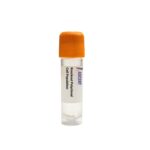
The NEK1 Knockout Raji Polyclonal Cells are a CRISPR/Cas9-edited polyclonal knockout cell population designed to disrupt the NEK1 gene in the Raji cell background. This product provides a heterogeneous pool of cells harboring loss-of-function mutations, enabling the study of NEK1-dependent phenotypes without clonal selection artifacts. The polyclonal format captures the diversity of gene editing outcomes, offering a robust system for investigating NEK1 function in a physiologically relevant B lymphocyte model.
The Raji cell line is a well-characterized human B lymphocyte model derived from a patient with Burkitt??s lymphoma. These EBV-positive lymphoblastoid cells grow in suspension and are widely employed to dissect B cell receptor signaling, apoptosis regulation, and mechanisms of Epstein?CBarr virus latency. Raji cells serve as a versatile platform for probing oncogenic transformations and immune cell biology, making them particularly suitable for knockout studies of genes involved in DNA damage responses and cell fate decisions.
NEK1 encodes a serine/threonine kinase that integrates signals from DNA damage and cell cycle checkpoints. It is activated upstream by the ATM and ATR kinases and phosphorylates downstream targets such as VDAC1 and NF-??B to modulate apoptosis and inflammation. NEK1 also interacts with ciliary proteins including FEZ1, TCTEX1, and ??-tubulin, and contributes to primary cilia formation by regulating components like IFT88 and the GLI1/SUFU transcription network. Through these interactions, NEK1 coordinates genomic stability, mitochondrial function, and ciliary signaling.
In the Raji B lymphocyte context, disruption of NEK1 allows dissection of its role in DNA damage-induced apoptosis and cell cycle arrest, processes central to lymphomagenesis and therapeutic response. Loss of NEK1 may compromise ATM/ATR downstream signaling, leading to altered phosphorylation of checkpoint kinases CHK1, CHK2, and p53, and impaired ??-H2AX foci formation. Moreover, the model provides a platform to explore NEK1??s potential functions in B cell cilia biology and its cross-talk with NF-??B-mediated survival pathways, linking DNA repair defects to lymphoproliferative disorders and offering insights into neurodegenerative and cystic kidney disease mechanisms.
This polyclonal knockout population is ideally suited for functional genomics studies using immunoblotting, RT-qPCR, and phospho-signaling analysis to verify NEK1 ablation and downstream pathway activation. DNA damage assays such as ??-H2AX immunofluorescence and comet assays can assess genomic integrity, while Annexin V/PI staining and cell cycle analysis quantify apoptotic and checkpoint responses. Cilia staining with acetylated tubulin antibodies can be performed to evaluate ciliary assembly. Additionally, the model supports drug sensitivity screens for ALS and cancer therapeutics targeting NEK1-related pathways. For more information, please contact Ascent Research.