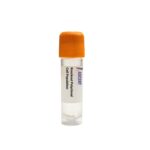
The NOTCH2 Knockout Raji Polyclonal Cells represent a CRISPR/Cas9-edited polyclonal knockout cell population derived from the Homo sapiens Raji B lymphocyte line. This product provides a loss-of-function model in which the NOTCH2 gene has been disrupted across a heterogeneous pool of cells, enabling robust population-level studies without clonal selection. The polyclonal nature retains genetic diversity while abolishing functional Notch2 receptor expression, making it suitable for unbiased functional genomic screens and signaling pathway analyses where clonal artifacts must be minimized.
The host Raji cell line is an EBV-positive Burkitt lymphoma-derived B lymphocyte model that grows in suspension. These cells endogenously express characteristic B-cell markers including CD19, CD20, and surface IgM, and they are widely employed in immunology and oncology research to investigate mechanisms of lymphomagenesis, B-cell receptor signaling, and adaptive immunity. The Raji background provides a clinically relevant context for dissecting oncogenic pathways in aggressive B-cell malignancies.
NOTCH2 encodes a single-pass transmembrane receptor that functions as a critical determinant in cell fate specification, proliferation, and apoptosis. Upon engagement by ligands such as DLL1, DLL4, JAG1, and JAG2, the receptor undergoes sequential proteolytic cleavage by ADAM10 or ADAM17 and the gamma-secretase complex, liberating the Notch intracellular domain (NICD). NICD translocates to the nucleus where it forms a transcriptional activation complex with the DNA-binding protein RBPJ and coactivator MAML1, directly inducing target genes including HES1, HES5, HEY1, HEY2, MYC, CCND1, and CD25. This core Notch signaling axis integrates with NF-kB, PI3K/AKT, and Wnt pathways to orchestrate gene expression programs that govern marginal zone B-cell development and lymphomagenesis.
In the Burkitt lymphoma Raji model, NOTCH2 signaling sustains proliferative and survival programs. Disruption of NOTCH2 decouples the ligand-dependent transcriptional cascade, impairing expression of downstream effectors such as HES1 and MYC, and consequently attenuating lymphoma cell growth. This knockout system thus serves as a powerful tool to interrogate NOTCH2-dependent molecular mechanisms underlying B-cell lymphomas, including diffuse large B-cell lymphoma, chronic lymphocytic leukemia, and splenic marginal zone lymphoma. It also provides insights into NOTCH2-related congenital disorders like Hajdu-Cheney syndrome and Alagille syndrome.
Typical research applications encompass functional validation of NOTCH2 in cancer biology, drug target assessment, and dissection of signaling crosstalk. Users can perform Western blotting and RT-qPCR to confirm gene disruption and downstream target expression changes, flow cytometry to assess B-cell surface markers, proliferation and apoptosis assays to measure functional outcomes, Notch reporter assays to monitor pathway activity, and RNA-seq for transcriptome-wide profiling. Researchers seeking further details or custom configurations may contact Ascent Research.