Quick Order Cart

Cat. No. ARG44012

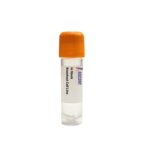
NQO1 Knockout H1299 Cell Line

  • Product Type:

    In Stock Cell Lines

The NQO1 Knockout H1299 Cell Line is a CRISPR/Cas9-edited knockout cell line derived from the p53-null, KRAS G12S-mutant H1299 lung adenocarcinoma model. Loss of NQO1 disrupts the two-electron reduction of quinones, a key detoxification step regulated by NRF2 and KEAP1, and eliminates p53 stabilization functions. This model enables dissection of NQO1??s p53-independent roles in oxidative stress, ferroptosis, and chemoresistance to quinone-based drugs such as mitomycin C and beta-lapachone. It is suitable for NRF2 pathway analysis, ROS measurement, and drug sensitivity assays.

Inquire Now

In stock

Ships next business day


Ask a Question

Shipping Info:

Cryopreserved in vials and shipped on dry ice


Disclaimer:

For Research Use Only

  • Characteristics

    Host Cell

    H1299

    Gene Name

    Nqo1

    Gene Identifier

    NCBI Gene ID 1728

    Storage

    Liquid nitrogen (LN2)

  • Culture Conditions

    Temperature

    37°C

    Atmosphere

    5% CO₂

  • Quality Control

    Sterility testing

    The bacterial, yeast, and fungi are not detected in these cells by daily monitor.

    Mycoplasma testing

    Negative for mycoplasma through PCR analysis

  • Disclaimer

    Intended Use

    This product is intended for laboratory in vitro use only. lt is not intended for diagnostic, therapeutic, or clinical applications.

    Disclaimer

    Ascent Research endeavors to provide accurate and up-to-date product information. However, no warranties or representations are made regarding its completeness or reliability. References to scientific literature and patents are for informational purposes only, and the customer assumes sole responsibility for verifying their accuracy.

    By accepting this product, the customer acknowledges and agrees to assume all risks associated with its receipt, handling, storage, disposal, and use, including compliance with all applicable safety and environmental regulations and precautions. Relevant laws, regulations, and ethical guidelines must be followed in conducting any research, modifications, or derivatives derived from this product.

    This product is provided "AS IS", and except as expressly stated herein, Ascent Research disclaims all other warranties, express or implied. Under no circumstances shall Ascent Research, its affiliates, or representatives be liable for indirect, incidental, consequential, or punitive damages arising from the use of this material. While Ascent Research employs rigorous quality control measures, we shall not be held responsible for damages resulting from misidentification or misinterpretation of the provided materials.

Description

The NQO1 Knockout H1299 Cell Line is a CRISPR/Cas9-edited knockout cell line derived from H1299 human non-small cell lung cancer cells. This loss-of-function model abrogates NQO1 expression, providing a stable platform to investigate NQO1-dependent processes. The gene disruption is mediated by CRISPR/Cas9 targeting, eliminating NQO1 enzymatic activity.

H1299 is a lung adenocarcinoma epithelial line established from a lymph node metastasis. It carries a homozygous TP53 deletion (p53-null) and an oncogenic KRAS G12S mutation, reflecting a common and aggressive genetic profile. The p53 deficiency uncouples NQO1 function from its canonical stabilization of p53, allowing dissection of p53-independent roles. H1299 exhibits robust proliferation and resistance to apoptosis, making it a relevant model for chemoresistance and redox stress studies.

NQO1 encodes a cytosolic flavoprotein that performs two-electron reduction of quinones to hydroquinones, preventing redox cycling and oxidative damage. Transcription is primarily induced by NRF2 via the antioxidant response element (ARE), with negative control by KEAP1; additional regulators include AhR, beta-naphthoflavone, and sulforaphane. Mechanistically, NQO1 forms complexes with p53, HSP90, and the 20S proteasome to hinder p53 degradation, though this function is moot in H1299. NQO1 also activates prodrugs like mitomycin C and beta-lapachone. Core pathway components include KEAP1, NRF2, HO-1, GST, and NQO1 itself.

In H1299 cells, NQO1 disruption eliminates a key node of the NRF2-driven antioxidant network. Combined with mutant KRAS, this knockout heightens sensitivity to oxidative stressors and ferroptosis inducers. It enables interrogation of NQO1??s metabolic contributions, including its role in bioactivating quinone-based chemotherapeutics. The model is particularly useful for studying compensatory pathways that sustain redox balance upon loss of NQO1, and for testing therapeutic strategies that exploit NQO1 deficiencies in p53-null lung cancers.

Applications include western blot and RT-qPCR for confirmation of NQO1 loss; enzymatic activity assays; ROS quantification; and viability assays with mitomycin C or beta-lapachone. NRF2 target gene panels and ferroptosis readouts can be implemented. This cell line supports research on oxidative stress signaling, xenobiotic metabolism, and p53-independent chemoresistance mechanisms. Contact Ascent Research for more information.


Reset Password

    Reach Us Questions? Click Me Here!

    Fill out the form below and a member of our team will contact you shortly!

    *Required field


      Reach Us

      Fill out the form below and a member of our team will contact you shortly!

      *Required field

      Product Inquiry (Optional)