Quick Order Cart

Cat. No. ARG1346

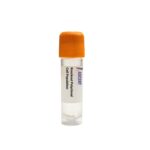
NSDHL Knockout Raji Polyclonal Cells

  • Product Type:

    Polyclonal Cell Population

  • Species:

    Homo sapiens (Human)

  • Tissue Source:

    Bone

  • Disease:

    Burkitt lymphoma

This polyclonal knockout cell population, derived from CRISPR/Cas9-edited Raji B lymphoblasts, features targeted disruption of NSDHL, a NAD(P)-dependent dehydrogenase essential for post-squalene cholesterol biosynthesis. Regulated by SREBF1/SREBF2, NSDHL acts downstream of SC4MOL to convert C4-methylsterols, and its loss disrupts cholesterol homeostasis. Ideal for cholesterol metabolism studies, CHILD syndrome modeling, and B?cell lymphoma research, the model supports assays such as lipidomics, immunoblotting, and viability screening. Contact Ascent Research for further details.

Inquire Now

In stock

Ships next business day


Ask a Question

Shipping Info:

Cryopreserved in vials and shipped on dry ice


Disclaimer:

For Research Use Only

  • Characteristics

    Host Cell

    Raji

    Cell Type

    B cell line

    Sex of Donor

    Male

    Age

    11 years

    Derived From Site

    In situ; Maxilla

    Gene Name

    NSDHL

    Gene Identifier

    NCBI Gene ID 50814

    Morphology

    Lymphoblast-like

    Growth Mode

    Suspension

    Storage

    Liquid nitrogen (LN2)

  • Culture Conditions

    Growth medium

    RPMI 1640

    Supplement(s)

    10% Fetal Bovine Serum, 1% Penicillin-Streptomycin Solution

    Temperature

    37°C

    Atmosphere

    5% CO₂

  • Quality Control

    Sterility testing

    The bacterial, yeast, and fungi are not detected in these cells by daily monitor.

    Mycoplasma testing

    Negative for mycoplasma through PCR analysis

  • Disclaimer

    Intended Use

    This product is intended for laboratory in vitro use only. lt is not intended for diagnostic, therapeutic, or clinical applications.

    Disclaimer

    Ascent Research endeavors to provide accurate and up-to-date product information. However, no warranties or representations are made regarding its completeness or reliability. References to scientific literature and patents are for informational purposes only, and the customer assumes sole responsibility for verifying their accuracy.

    By accepting this product, the customer acknowledges and agrees to assume all risks associated with its receipt, handling, storage, disposal, and use, including compliance with all applicable safety and environmental regulations and precautions. Relevant laws, regulations, and ethical guidelines must be followed in conducting any research, modifications, or derivatives derived from this product.

    This product is provided "AS IS", and except as expressly stated herein, Ascent Research disclaims all other warranties, express or implied. Under no circumstances shall Ascent Research, its affiliates, or representatives be liable for indirect, incidental, consequential, or punitive damages arising from the use of this material. While Ascent Research employs rigorous quality control measures, we shall not be held responsible for damages resulting from misidentification or misinterpretation of the provided materials.

Description

The NSDHL Knockout Raji Polyclonal Cells represent a CRISPR/Cas9-edited polyclonal knockout cell population derived from the Raji B lymphoblast line, engineered for targeted disruption of the NSDHL gene. This product provides a heterogeneous pool of edited cells with loss-of-function mutations at the NSDHL locus, offering a versatile model for studying cholesterol biosynthesis and its implications in B cell biology without requiring single-cell clonal isolation.

The host Raji cell line is a well-characterized human Burkitt lymphoma-derived B lymphoblast line that maintains an EBV-positive status and expresses hallmark B cell markers such as CD19, CD20, and CD22. Widely utilized in immunological studies, EBV latency research, and cancer biology, Raji cells exhibit lymphoblastoid morphology and robust proliferative capacity, making them a reliable platform for genetic perturbation experiments. Their B lymphocyte origin renders them particularly suitable for examining the intersection of cholesterol metabolism and lymphoma pathogenesis.

NSDHL encodes an NAD(P)-dependent 3-beta-hydroxysteroid dehydrogenase that catalyzes the oxidative decarboxylation of C4-methylsterol intermediates in the post-squalene cholesterol biosynthetic pathway. Functioning downstream of SC4MOL and upstream of EBP, NSDHL is a critical enzyme in the conversion of 4-methylzymosterol to zymosterol. The gene’s expression is transcriptionally regulated by SREBF1 and SREBF2, master regulators of lipid homeostasis. Within the pathway, NSDHL operates in concert with HMGCR, SQLE, LSS, CYP51A1, SC5D, DHCR7, and DHCR24 to ensure proper sterol production. Disruption of NSDHL consequently alters the levels of downstream cholesterol intermediates, perturbing the entire cascade.

In the context of Raji B lymphoblasts, NSDHL knockout exerts a profound impact on cellular cholesterol homeostasis, likely modifying membrane lipid composition and lipid raft integrity. Given the dependence of B cell receptor signaling and EBV-associated proteins on membrane microdomains, loss of NSDHL may impair proliferative signals and survival pathways integral to lymphoma biology. This perturbation establishes a relevant model to dissect the role of cholesterol biosynthesis in B cell malignancies and to assess synthetic lethal interactions or metabolic vulnerabilities arising from sterol depletion.

The NSDHL Knockout Raji Polyclonal Cells are suitable for diverse research applications, including mechanistic studies of cholesterol metabolism, in vitro modeling of CHILD syndrome, and screening of inhibitors targeting sterol biosynthetic enzymes. Researchers can employ lipidomics and cholesterol quantification to profile sterol intermediates, RT-qPCR and immunoblotting to validate gene and protein expression changes, and flow cytometry to analyze membrane lipid composition. Proliferation and viability assays further enable functional readouts of pathway disruption. For further information or to request custom configurations, please contact Ascent Research.


Reset Password

    Reach Us Questions? Click Me Here!

    Fill out the form below and a member of our team will contact you shortly!

    *Required field


      Reach Us

      Fill out the form below and a member of our team will contact you shortly!

      *Required field

      Product Inquiry (Optional)