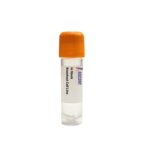
Quick Order Cart

Cat. No. ARG44022

PANX1 Knockout MDA-MB-231 Cell Line

  • Product Type:

    In Stock Cell Lines

  • Species:

    Homo sapiens (Human)

  • Tissue Source:

    Breast (mammary gland)

  • Disease:

    Adenocarcinoma

The PANX1 Knockout MDA-MB-231 Cell Line is a CRISPR/Cas9-edited knockout model in the triple-negative breast cancer cell line MDA-MB-231. It disrupts PANX1, which encodes a large-pore ATP-permeable channel involved in purinergic signaling, inflammation, and tumor cell migration. PANX1 interacts with P2X7 and the NLRP3 inflammasome, and its knockout impairs ATP release and downstream ERK activation. This cell line is ideal for studying paracrine communication in the tumor microenvironment, inflammasome regulation, and metastatic mechanisms. Key applications include ATP release assays, invasion studies, and anti-metastatic drug screening with agents such as cisplatin or paclitaxel. Contact Ascent Research for details.

Inquire Now

In stock

Ships next business day


Ask a Question

Shipping Info:

Cryopreserved in vials and shipped on dry ice


Disclaimer:

For Research Use Only

  • Characteristics

    Host Cell

    MDA-MB-231

    Sex of Donor

    Female

    Age

    51 years

    Gene Name

    PANX1

    Gene Identifier

    NCBI Gene ID 24145

    Morphology

    Epithelial-like

    Growth Mode

    Adherent

    Storage

    Liquid nitrogen (LN2)

  • Culture Conditions

    Temperature

    37°C

    Atmosphere

    5% CO₂

  • Quality Control

    Sterility testing

    The bacterial, yeast, and fungi are not detected in these cells by daily monitor.

    Mycoplasma testing

    Negative for mycoplasma through PCR analysis

  • Disclaimer

    Intended Use

    This product is intended for laboratory in vitro use only. lt is not intended for diagnostic, therapeutic, or clinical applications.

    Disclaimer

    Ascent Research endeavors to provide accurate and up-to-date product information. However, no warranties or representations are made regarding its completeness or reliability. References to scientific literature and patents are for informational purposes only, and the customer assumes sole responsibility for verifying their accuracy.

    By accepting this product, the customer acknowledges and agrees to assume all risks associated with its receipt, handling, storage, disposal, and use, including compliance with all applicable safety and environmental regulations and precautions. Relevant laws, regulations, and ethical guidelines must be followed in conducting any research, modifications, or derivatives derived from this product.

    This product is provided "AS IS", and except as expressly stated herein, Ascent Research disclaims all other warranties, express or implied. Under no circumstances shall Ascent Research, its affiliates, or representatives be liable for indirect, incidental, consequential, or punitive damages arising from the use of this material. While Ascent Research employs rigorous quality control measures, we shall not be held responsible for damages resulting from misidentification or misinterpretation of the provided materials.

Description

The PANX1 Knockout MDA-MB-231 Cell Line is a CRISPR/Cas9-edited knockout cell line that disrupts the PANX1 gene, generating a stable loss-of-function model for investigating pannexin-1-dependent processes. This cell line is derived from the widely used MDA-MB-231 human breast adenocarcinoma line and offers a genetically defined background to dissect PANX1-mediated ATP release, purinergic signaling, and intercellular communication. The knockout disrupts the functional expression of PANX1 large-pore channels without introducing additional genetic modifications, enabling precise studies of gene function in a metastatic cancer context.

The MDA-MB-231 parental cell line was originally isolated from the pleural effusion of a 51-year-old Caucasian female with metastatic mammary adenocarcinoma. It represents a highly aggressive triple-negative breast cancer (TNBC) model, lacking expression of estrogen receptor, progesterone receptor, and HER2, and is frequently employed to study tumor cell migration, invasion, and metastasis. These cells harbor additional mutations (e.g., in TP53 and KRAS) that contribute to their invasive phenotype, making them a standard system for anti-metastatic drug screening and molecular oncology research.

PANX1 encodes a large-pore plasma membrane channel that mediates the controlled release of ATP and other metabolites, acting as a conduit for paracrine and autocrine signals. PANX1 is activated by upstream regulators including the P2X7 receptor, caspases, intracellular calcium, TGF-??, mechanical stretch, and hypoxia. Its opening leads to ATP efflux, which in turn activates P2Y purinergic receptors, elevates cytosolic calcium, and promotes NLRP3 inflammasome assembly followed by caspase-1 cleavage and IL-1?? secretion. PANX1 also interacts with the actin cytoskeleton, Src family kinases, caspase-7, and connexins, linking it to cell migration and apoptotic volume regulation. Downstream, PANX1-mediated signaling can engage the MAPK/ERK pathway, contributing to proliferative and survival responses.

In the context of MDA-MB-231 cells, PANX1 channels are critical for the release of ATP that serves as a danger signal within the tumor microenvironment, fostering inflammation and facilitating metastatic dissemination. Knockout of PANX1 in this cell line abrogates ATP efflux, thereby disrupting paracrine communication with stromal and immune cells, attenuating NLRP3 inflammasome activation, and reducing invasive capacity. This model thus provides a powerful tool to dissect the contribution of pannexin-1 to key hallmarks of triple-negative breast cancer, including immune evasion, matrix degradation, and chemoresistance.

The PANX1 Knockout MDA-MB-231 Cell Line is ideally suited for a wide range of experimental applications, including the study of ATP-mediated intercellular communication, inflammasome regulation in TNBC, and the molecular mechanisms underlying metastasis. Researchers can employ this line in ATP release assays, transwell migration and invasion assays, co-immunoprecipitation with P2X7, western blotting and RT-qPCR for PANX1 validation, and phospho-ERK analysis. It is also valuable for anti-metastatic drug screening and for evaluating PANX1 as a therapeutic target, particularly in studies using cisplatin or paclitaxel. For additional information or technical support, please contact Ascent Research.


Reset Password

    Reach Us Questions? Click Me Here!

    Fill out the form below and a member of our team will contact you shortly!

    *Required field


      Reach Us

      Fill out the form below and a member of our team will contact you shortly!

      *Required field

      Product Inquiry (Optional)