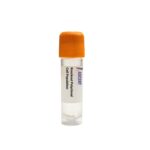
The PCBD1 Knockout Raji Polyclonal Cells are a CRISPR/Cas9-edited polyclonal knockout cell population derived from the Raji Burkitt’s lymphoma B lymphocyte line. This heterogeneous pool carries targeted disruptions of the PCBD1 gene, providing a loss-of-function model that avoids clonal bias. It enables investigation of PCBD1’s dual roles in BH4 regeneration and HNF1 transcriptional coactivation within a B lymphocyte context.
The Raji host cell line is an EBV-positive Burkitt’s lymphoma-derived B lymphocyte model widely used in immunological studies and drug screening. These cells express surface immunoglobulin, present antigens, and proliferate robustly, serving as a relevant system for investigating gene function in a malignant B cell context free from systemic influences.
PCBD1 encodes a bifunctional protein: as pterin-4-alpha-carbinolamine dehydratase, it regenerates tetrahydrobiopterin (BH4), an essential cofactor for aromatic amino acid hydroxylases, impacting phenylalanine catabolism and nitric oxide synthesis. As a dimerization cofactor for hepatocyte nuclear factor 1 (HNF1) transcription factors, it greatly enhances HNF1A and HNF1B transcriptional activity on target genes such as SLC2A2, PCK1, G6PC, ALB, and AFP. This dual activity is regulated by upstream signals including HNF4A, glucocorticoids, TNF-alpha, and IL-6, linking metabolic and immune pathways.
Disruption of PCBD1 in Raji cells is expected to impair BH4 recycling, potentially reducing phenylalanine hydroxylase (PAH) activity and altering nitric oxide-mediated functions. Concurrent loss of HNF1 transcriptional activation likely diminishes expression of glucose transporters and metabolic enzymes, affecting glucose uptake and energy balance. Thus, this knockout model facilitates exploration of how metabolic reprogramming influences B lymphocyte proliferation, apoptosis, and immune functionality.
These polyclonal knockout cells support diverse assays: Western blot and RT-qPCR for confirming PCBD1 depletion and downstream gene changes; HPLC for BH4 quantification and PAH activity measurement; co-immunoprecipitation to probe PCBD1-HNF1 interaction loss. Metabolic flux analysis via Seahorse and glucose uptake assays reveal bioenergetic shifts, while luciferase reporters reflect HNF1 activity. Flow cytometry assesses apoptosis and proliferation. Applications include metabolic regulation studies in B cells, HNF1 transcription research, and drug target validation. For further details, contact Ascent Research.