Quick Order Cart

Cat. No. ARG44026

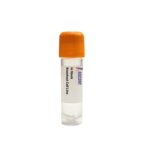
PCCB Knockout Hep-G2 Cell Line

  • Product Type:

    In Stock Cell Lines

  • Species:

    Homo sapiens (Human)

  • Tissue Source:

    Liver

  • Disease:

    Hepatoblastoma

The PCCB Knockout Hep-G2 Cell Line is a CRISPR/Cas9-edited knockout cell line derived from human Hep-G2 hepatocellular carcinoma cells, featuring targeted disruption of the PCCB gene encoding the beta subunit of propionyl-CoA carboxylase. This enzyme, complexed with PCCA and biotin-dependent, converts propionyl-CoA to methylmalonyl-CoA and is regulated by PPARA, linking catabolic pathways to TCA cycle intermediates and gluconeogenesis. Loss of PCCB impairs propionate metabolism, modeling propionic acidemia and mitochondrial dysfunction in a hepatocyte-relevant background. This loss-of-function cell line serves as a robust platform for studying flux control in branched-chain amino acid and odd-chain fatty acid oxidation, drug screening for organic acidurias, and validating gene therapies. Assays encompass enzymatic activity measurement, metabolomic profiling of propionyl-CoA and succinyl-CoA, and mitochondrial respiration analyses, facilitating translational research into metabolic acidosis and related disorders. For product inquiries, contact Ascent Research.

Inquire Now

In stock

Ships next business day


Ask a Question

Shipping Info:

Cryopreserved in vials and shipped on dry ice


Disclaimer:

For Research Use Only

  • Characteristics

    Host Cell

    Hep-G2

    Sex of Donor

    Male

    Age

    15 years

    Derived From Site

    In situ; Liver

    Gene Name

    PCCB

    Gene Identifier

    NCBI Gene ID 5096

    Morphology

    Epithelial-like

    Growth Mode

    Adherent

    Storage

    Liquid nitrogen (LN2)

  • Culture Conditions

    Temperature

    37°C

    Atmosphere

    5% COâ‚‚

  • Quality Control

    Sterility testing

    The bacterial, yeast, and fungi are not detected in these cells by daily monitor.

    Mycoplasma testing

    Negative for mycoplasma through PCR analysis

  • Disclaimer

    Intended Use

    This product is intended for laboratory in vitro use only. It is not intended for diagnostic, therapeutic, or clinical applications.

    Disclaimer

    Ascent Research endeavors to provide accurate and up-to-date product information. However, no warranties or representations are made regarding its completeness or reliability. References to scientific literature and patents are for informational purposes only, and the customer assumes sole responsibility for verifying their accuracy.

    By accepting this product, the customer acknowledges and agrees to assume all risks associated with its receipt, handling, storage, disposal, and use, including compliance with all applicable safety and environmental regulations and precautions. Relevant laws, regulations, and ethical guidelines must be followed in conducting any research, modifications, or derivatives derived from this product.

    This product is provided "AS IS", and except as expressly stated herein, Ascent Research disclaims all other warranties, express or implied. Under no circumstances shall Ascent Research, its affiliates, or representatives be liable for indirect, incidental, consequential, or punitive damages arising from the use of this material. While Ascent Research employs rigorous quality control measures, we shall not be held responsible for damages resulting from misidentification or misinterpretation of the provided materials.

Description

The PCCB Knockout Hep-G2 Cell Line is a genetically engineered human liver model in which the PCCB gene has been disrupted by CRISPR/Cas9-mediated genome editing. This knockout cell line, derived from the Hep-G2 host, provides a powerful in vitro system for investigating the consequences of propionyl-CoA carboxylase deficiency. By eliminating functional PCCB expression, the model enables researchers to dissect propionate catabolism and its integration with mitochondrial energy metabolism, offering a physiologically relevant platform for metabolic disease studies.

Hep-G2 cells are a well-characterized human hepatocellular carcinoma line that retains many liver-specific functions, including epithelial morphology, adherent growth, and expression of hepatocyte markers. These cells are widely employed as a model for hepatic drug metabolism, lipid processing, and xenobiotic responses. Their hepatocyte-like features make them particularly suitable for studying inherited metabolic disorders with major hepatic involvement, such as propionic acidemia, within a controlled cellular environment.

PCCB encodes the beta subunit of propionyl-CoA carboxylase (PCCase), a biotin-dependent mitochondrial enzyme that catalyzes the ATP-dependent carboxylation of propionyl-CoA to D-methylmalonyl-CoA. The functional carboxylase is a multimeric complex in which the beta subunit interacts with the alpha subunit (PCCA) and the biotin carboxyl carrier protein. PCCB activity is transcriptionally regulated by PPARA and responsive to biotin availability and mitochondrial stress signals. Downstream, the product methylmalonyl-CoA is isomerized to succinyl-CoA by methylmalonyl-CoA mutase, an adenosylcobalamin-dependent reaction, thereby feeding into the TCA cycle and gluconeogenesis. Loss of PCCB disrupts this pathway, leading to accumulation of propionyl-CoA and toxic metabolites, impaired anaplerosis, and secondary mitochondrial dysfunction.

In the Hep-G2 context, PCCB knockout recapitulates key metabolic derangements of propionic acidemia at the hepatocellular level. The absence of functional PCCB impairs the clearance of propionyl-CoA derived from branched-chain amino acid oxidation, odd-chain fatty acid degradation, and gut fermentation, causing substrate overload and energy deficit. This cell line enables detailed examination of how defective propionate metabolism alters TCA cycle flux, NADH/NAD+ ratios, and gluconeogenic capacity, and how these changes contribute to acidosis, hyperammonemia, and organelle stress characteristic of the human disease.

This model is ideally suited for a wide range of research applications, including mechanistic studies of organic acidurias, drug screening for metabolic acidosis, and validation of gene therapy strategies targeting hepatic metabolism. Researchers can characterize PCCB disruption by Western blotting and RT-qPCR, assess residual carboxylase activity via enzyme assays, profile metabolic intermediates through metabolomics, and evaluate mitochondrial respiration under various substrate conditions. Combining this knockout line with biotin supplementation or candidate therapeutics allows dissection of compensatory pathways and assessment of rescue efficacy. For further details or to order the PCCB Knockout Hep-G2 Cell Line, please contact Ascent Research.


Reset Password

    Reach Us Questions? Click Me Here!

    Fill out the form below and a member of our team will contact you shortly!

    *Required field


      Reach Us

      Fill out the form below and a member of our team will contact you shortly!

      *Required field

      Product Inquiry (Optional)