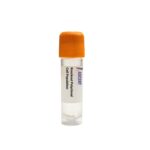
PDE5A Knockout Raji Polyclonal Cells are a CRISPR/Cas9-mediated gene-disrupted polyclonal cell population derived from the human Raji Burkitt lymphoma B-cell line, providing a loss-of-function model for the cGMP-specific phosphodiesterase PDE5A. The polyclonal knockout format maintains population heterogeneity and is well-suited for pooled biochemical and pharmacological assays.
Raji cells are suspension-adapted, EBV-positive B lymphoblastoid cells originally established from a Burkitt lymphoma patient. As a widely used model in B-cell malignancy research, these cells exhibit transformed lymphocyte characteristics and are instrumental for investigating oncogenic signaling, immune recognition, and therapeutic responses.
PDE5A hydrolyzes cGMP, thereby terminating cGMP-dependent signaling and preventing excessive activation of effectors such as cGMP-dependent protein kinase G (PKG). Upstream, nitric oxide (NO) and atrial natriuretic peptide (ANP) stimulate cGMP production via soluble and particulate guanylyl cyclases, respectively. PDE5A normally limits PKG-mediated phosphorylation of targets including VASP, the MAPK/ERK cascade, and transcription factors CREB and NF-??B. PDE5A knockout disrupts this regulatory node, leading to sustained cGMP elevation and constitutive PKG activity independent of NO/ANP input.
In the Raji B-cell lymphoma context, PDE5A ablation is expected to dysregulate cGMP-PKG signaling, potentially impairing proliferation and enhancing apoptotic susceptibility. This model provides a platform to dissect PDE5A??s contribution to the malignant phenotype and to explore crosstalk with the cAMP pathway, which may influence lymphoma cell survival and drug sensitivity.
Typical applications include cGMP ELISA, PKG activity assays, proliferation (MTT/BrdU) and apoptosis (Annexin V/PI flow cytometry) analyses, Western blot for phospho-VASP, RT-qPCR for PDE5A, and cell cycle profiling. The knockout population is ideal for screening PDE5 inhibitors (e.g., sildenafil, tadalafil) and for mechanistic studies of drug resistance and pathway interactions in B-cell malignancies. For further technical information, please contact Ascent Research.