Quick Order Cart

Cat. No. ARG1405

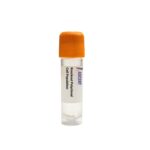
PFKL Knockout Raji Polyclonal Cells

  • Product Type:

    Polyclonal Cell Population

  • Species:

    Homo sapiens (Human)

  • Tissue Source:

    Bone

  • Disease:

    Burkitt lymphoma

The PFKL Knockout Raji Polyclonal Cells are CRISPR/Cas9-edited Raji B lymphocytes with targeted disruption of the PFKL gene, a rate-limiting glycolytic enzyme regulated by c-Myc and HIF-1??. This polyclonal population impairs glycolytic flux, reducing lactate and ATP production crucial for the Warburg effect in Burkitt lymphoma. Ideal for cancer metabolism research, glycolysis inhibition studies, and drug screening. Compatible with metabolic flux analysis and apoptosis assays, the model enables investigation of PFKL-dependent metabolic vulnerabilities in lymphoma.

Inquire Now

In stock

Ships next business day


Ask a Question

Shipping Info:

Cryopreserved in vials and shipped on dry ice


Disclaimer:

For Research Use Only

  • Characteristics

    Host Cell

    Raji

    Cell Type

    B cell line

    Sex of Donor

    Male

    Age

    11 years

    Derived From Site

    In situ; Maxilla

    Gene Name

    PFKL

    Gene Identifier

    NCBI Gene ID 5211

    Morphology

    Lymphoblast-like

    Growth Mode

    Suspension

    Storage

    Liquid nitrogen (LN2)

  • Culture Conditions

    Growth medium

    RPMI 1640

    Supplement(s)

    10% Fetal Bovine Serum, 1% Penicillin-Streptomycin Solution

    Temperature

    37°C

    Atmosphere

    5% COâ‚‚

  • Quality Control

    Sterility testing

    The bacterial, yeast, and fungi are not detected in these cells by daily monitor.

    Mycoplasma testing

    Negative for mycoplasma through PCR analysis

  • Disclaimer

    Intended Use

    This product is intended for laboratory in vitro use only. It is not intended for diagnostic, therapeutic, or clinical applications.

    Disclaimer

    Ascent Research endeavors to provide accurate and up-to-date product information. However, no warranties or representations are made regarding its completeness or reliability. References to scientific literature and patents are for informational purposes only, and the customer assumes sole responsibility for verifying their accuracy.

    By accepting this product, the customer acknowledges and agrees to assume all risks associated with its receipt, handling, storage, disposal, and use, including compliance with all applicable safety and environmental regulations and precautions. Relevant laws, regulations, and ethical guidelines must be followed in conducting any research, modifications, or derivatives derived from this product.

    This product is provided "AS IS", and except as expressly stated herein, Ascent Research disclaims all other warranties, express or implied. Under no circumstances shall Ascent Research, its affiliates, or representatives be liable for indirect, incidental, consequential, or punitive damages arising from the use of this material. While Ascent Research employs rigorous quality control measures, we shall not be held responsible for damages resulting from misidentification or misinterpretation of the provided materials.

Description

The PFKL Knockout Raji Polyclonal Cells represent a CRISPR/Cas9-edited polyclonal knockout cell population derived from the Raji Burkitt lymphoma B lymphocyte line, engineered for targeted disruption of the PFKL gene. PFKL encodes the liver-type phosphofructokinase, a rate-limiting enzyme of glycolysis that catalyzes the conversion of fructose-6-phosphate to fructose-1,6-bisphosphate. This polyclonal knockout model provides a heterogeneous loss-of-function system, enabling robust investigation of PFKL-dependent glycolytic regulation without clonal artifacts. The product is supplied as a mixed population of edited cells, ensuring broad representation of gene disruption events for reliable phenotypic analyses.

Raji cells are an EBV-positive, tumorigenic B lymphocyte line derived from a patient with Burkitt lymphoma, widely utilized in immunology and oncology research. These cells exhibit a highly glycolytic phenotype characteristic of aggressive lymphomas, making them an ideal host for studying metabolic vulnerabilities. Their capacity for rapid proliferation and established role in antibody production further enhance their utility in cancer metabolism and B cell biology investigations. The Raji background provides a clinically relevant context for assessing PFKL function, given the dependence of Burkitt lymphoma on the Warburg effect and heightened glycolytic flux for survival and growth.

PFKL functions as a central node in cellular energy metabolism, integrating signals from upstream regulators including c-Myc, HIF-1??, and insulin signaling, while being allosterically modulated by AMP and citrate. The enzyme interacts directly with PFKFB and AMPK and cooperates with other PFK isoforms to govern glycolytic rate. Its activity drives the production of pyruvate, lactate, and ATP, and feeds into the pentose phosphate pathway to generate NADPH and ribose-5-phosphate for biosynthesis. In cancer cells, PFKL sustains the Warburg effect, wherein aerobic glycolysis supports rapid proliferation and biomass synthesis.

In the Raji Burkitt lymphoma model, PFKL knockout profoundly disrupts glycolytic flux, leading to reduced lactate secretion and diminished ATP production, thereby impairing the Warburg effect. This metabolic crisis is predicted to slow proliferation, enhance sensitivity to intrinsic apoptotic signals, and alter the balance of biosynthetic precursors required for nucleotide and lipid synthesis. The polyclonal knockout population reflects the heterogeneous metabolic adaptation observed in tumors, offering a physiologically relevant platform to dissect PFKL contributions to lymphoma maintenance and metabolic reprogramming.

This PFKL knockout model supports diverse research applications, including cancer metabolism studies, glycolysis inhibition investigations, and drug screening for metabolic inhibitors targeting the Warburg effect. Typical assays compatible with these cells encompass Western blotting and RT-qPCR for target validation, metabolic flux analysis using Seahorse technology, lactate quantification, proliferation measurements, and apoptosis detection. The polyclonal design facilitates high-throughput screening and functional genomics studies without the limitations of single-cell clones. For additional technical details or ordering inquiries, please contact Ascent Research.


Reset Password

    Reach Us Questions? Click Me Here!

    Fill out the form below and a member of our team will contact you shortly!

    *Required field


      Reach Us

      Fill out the form below and a member of our team will contact you shortly!

      *Required field

      Product Inquiry (Optional)