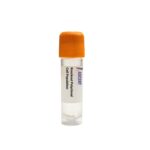
The PGK2 Knockout Raji Polyclonal Cells represent a CRISPR/Cas9-edited polyclonal knockout cell population derived from the Raji human B-lymphoblast cell line, in which the PGK2 gene has been disrupted to create a loss-of-function model. This product provides a genetically heterogeneous pool of cells harboring CRISPR/Cas9-mediated modifications at the PGK2 locus, enabling functional studies of phosphoglycerate kinase 2 without the confounding influence of clonal artifacts. As a polyclonal knockout population, it preserves the diversity of editing outcomes, making it suitable for pooled assays that interrogate the overall impact of PGK2 deficiency on cellular phenotypes in a robust, reproducible manner.
The host Raji cell line is an Epstein-Barr virus-transformed B lymphocyte originally isolated from a Burkitt lymphoma, characterized by a lymphoblastoid morphology, surface immunoglobulin negativity, and active proliferation in suspension culture. These cells retain many features of mature B cells, including antigen presentation capacity and the ability to secrete cytokines, and are widely employed in immunology and cancer research. While PGK2 is normally a testis-specific isozyme, its ectopic expression or residual activity in Raji cells offers a unique system to investigate tissue-specific metabolic enzyme functions outside the germline context, particularly in the setting of B-cell malignancies where glycolytic reprogramming is prominent.
PGK2 encodes a phosphoglycerate kinase that catalyzes the reversible transfer of a phosphoryl group from 1,3-diphosphoglycerate to ADP, generating 3-phosphoglycerate and ATP within the glycolytic pathway. Its activity is regulated by upstream factors such as HIF1A, androgens, AMPK, and insulin signaling, linking it to hypoxia responses, endocrine control, and energy sensing. Downstream, PGK2 influences glycolytic flux and ATP output, and it interacts physically with other glycolytic enzymes including GAPDH, enolase, pyruvate kinase, and phosphoglycerate mutase, thereby participating in a multi-enzyme metabolic network. Within the linear glycolysis cascade, PGK operates sequentially between GAPDH and PGM, integrating cellular energetic demands with intermediate metabolism.
Disruption of PGK2 in Raji cells provides a valuable model to probe the contribution of this isozyme to energy metabolism, especially under conditions where PGK2 may be aberrantly expressed. Given that Raji cells exhibit high aerobic glycolysis (the Warburg effect), knockout of PGK2 can perturb ATP generation, alter lactate secretion, and sensitize cells to metabolic stress, thereby illuminating the functional redundancy between PGK1 and PGK2 isozymes. This system is particularly relevant for studying male infertility-related metabolic pathways, the role of testis-specific genes in ectopic environments, and the broader implications of glycolytic enzyme dysregulation in B-cell lymphomagenesis and immune cell function.
Researchers can apply the PGK2 Knockout Raji Polyclonal Cells in a range of quantitative assays, including Seahorse-based glycolytic stress tests to measure extracellular acidification rate, ATP and lactate colorimetric/fluorometric assays to gauge metabolic output, Western blotting and RT-qPCR for confirming gene disruption, and flow cytometry for assessing apoptosis or cell cycle changes under metabolic challenge. These cells are ideally suited for investigating metabolic reprogramming in cancer, the redundancy of phosphoglycerate kinase isozymes, and the hypoxic regulation of glycolysis. For additional information, technical support, or to request a quotation, please contact Ascent Research.