Quick Order Cart

Cat. No. ARG44043

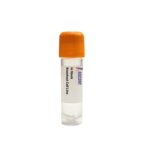
PKM Knockout HK-2 Cell Line

  • Product Type:

    In Stock Cell Lines

The PKM Knockout HK-2 Cell Line is a CRISPR/Cas9-edited loss-of-function model targeting pyruvate kinase M in immortalized human kidney proximal tubular epithelial cells. HK-2 cells recapitulate renal reabsorption and secretion functions, offering a physiologically relevant platform for metabolic and toxicological research. PKM disruption abolishes pyruvate kinase activity, impairing glycolysis and downstream lactate production while altering transcriptional programs linked to HIF1A and MYC. Ideal for studying the Warburg effect, renal epithelial metabolism, and drug sensitivity using functional assays such as ECAR measurement and metabolomics.

Inquire Now

In stock

Ships next business day


Ask a Question

Shipping Info:

Cryopreserved in vials and shipped on dry ice


Disclaimer:

For Research Use Only

  • Characteristics

    Host Cell

    HK-2

    Gene Name

    Pkm

    Gene Identifier

    NCBI Gene ID 5315

    Storage

    Liquid nitrogen (LN2)

  • Culture Conditions

    Temperature

    37°C

    Atmosphere

    5% CO₂

  • Quality Control

    Sterility testing

    The bacterial, yeast, and fungi are not detected in these cells by daily monitor.

    Mycoplasma testing

    Negative for mycoplasma through PCR analysis

  • Disclaimer

    Intended Use

    This product is intended for laboratory in vitro use only. lt is not intended for diagnostic, therapeutic, or clinical applications.

    Disclaimer

    Ascent Research endeavors to provide accurate and up-to-date product information. However, no warranties or representations are made regarding its completeness or reliability. References to scientific literature and patents are for informational purposes only, and the customer assumes sole responsibility for verifying their accuracy.

    By accepting this product, the customer acknowledges and agrees to assume all risks associated with its receipt, handling, storage, disposal, and use, including compliance with all applicable safety and environmental regulations and precautions. Relevant laws, regulations, and ethical guidelines must be followed in conducting any research, modifications, or derivatives derived from this product.

    This product is provided "AS IS", and except as expressly stated herein, Ascent Research disclaims all other warranties, express or implied. Under no circumstances shall Ascent Research, its affiliates, or representatives be liable for indirect, incidental, consequential, or punitive damages arising from the use of this material. While Ascent Research employs rigorous quality control measures, we shall not be held responsible for damages resulting from misidentification or misinterpretation of the provided materials.

Description

The PKM Knockout HK-2 Cell Line is a CRISPR/Cas9-edited knockout cell line in which the human PKM gene has been disrupted to create a defined loss-of-function model. This stable system enables precise investigation of pyruvate kinase M (PKM) functions in glycolysis, metabolic reprogramming, and signal transduction within a renal proximal tubular epithelial context, avoiding the limitations of transient knockdown approaches.

HK-2 cells are an immortalized human kidney proximal tubular epithelial line derived from normal adult tissue. They retain critical features of polarized epithelia, including brush border enzyme expression and vectorial transport activities, making them a widely accepted model for studying renal reabsorption, secretion, drug transport, and nephrotoxicity. Their physiological relevance supports robust in vitro analysis of metabolic and toxicological processes.

PKM encodes pyruvate kinase, the enzyme that catalyzes the rate-limiting final step of glycolysis, converting phosphoenolpyruvate to pyruvate. The PKM2 isoform also functions as a transcriptional coactivator and protein kinase. PKM expression and activity are regulated by upstream signals such as EGFR, FGFR1, MYC, HIF1A, mTORC1, insulin, and hypoxia. It interacts with HIF1A, ??-catenin, STAT3, integrin ??v??3, and LDHA, and sits at the nexus of glycolysis, pentose phosphate, mTOR, and AMPK pathways. Downstream, PKM promotes lactate production, nucleotide biosynthesis, and transcription of proliferation genes including CCND1, MYC, and SLC2A1, while suppressing apoptosis. Knockout of PKM in HK-2 cells eliminates pyruvate kinase activity, impairing glycolytic ATP and pyruvate output and likely triggering a metabolic shift toward oxidative phosphorylation or glutaminolysis, with consequential effects on cell proliferation and stress responses.

In the kidney proximal tubule, glycolytic flux is closely tied to reabsorptive energy demands and cellular homeostasis. PKM disruption in HK-2 cells therefore provides a powerful model to interrogate metabolic vulnerabilities associated with diabetic nephropathy, acute kidney injury, and renal cell carcinoma, where PKM2 upregulation and Warburg-like remodeling are often observed. This knockout system helps elucidate how loss of the glycolytic endpoint impacts tubular epithelial viability, transport capacity, and injury repair mechanisms.

This cell line is suited for a range of applications, including measurement of extracellular acidification rate (ECAR) and oxygen consumption to profile metabolic switching, lactate and glucose consumption assays, ATP quantification, cell proliferation and apoptosis studies, drug toxicity screening, and metabolomic or transcriptomic analyses. The model also enables isoform-specific rescue experiments and investigation of PKM2?dependent transcriptional regulation via RT-qPCR or chromatin immunoprecipitation. For detailed technical specifications or custom inquiries, please contact Ascent Research.


Reset Password

    Reach Us Questions? Click Me Here!

    Fill out the form below and a member of our team will contact you shortly!

    *Required field


      Reach Us

      Fill out the form below and a member of our team will contact you shortly!

      *Required field

      Product Inquiry (Optional)