Quick Order Cart

Cat. No. ARG44051

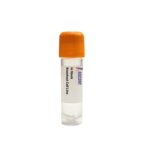
Prmt3 Knockout Hepa 1-6 Cell Line

  • Product Type:

    In Stock Cell Lines

  • Species:

    Mus musculus (Mouse)

  • Tissue Source:

    Liver

  • Disease:

    Hepatocellular carcinoma

The Prmt3 Knockout Hepa 1-6 Cell Line is a CRISPR/Cas9-edited murine hepatoma cell line with targeted disruption of the Prmt3 gene, encoding protein arginine methyltransferase 3. Derived from the BW7756 hepatoma in the C57L/J background, this model is ideal for studying PRMT3??s role in hepatocellular carcinoma, arginine methylation, and ribosome biogenesis. PRMT3 functions downstream of mTORC1 and MYC to methylate RPS2, regulating ribosome assembly and mRNA splicing. Knockout of Prmt3 enables functional studies, drug target validation, and signaling pathway analysis using assays such as aDMA western blotting, polysome profiling, and tumor xenograft models.

Inquire Now

In stock

Ships next business day


Ask a Question

Shipping Info:

Cryopreserved in vials and shipped on dry ice


Disclaimer:

For Research Use Only

  • Characteristics

    Host Cell

    Hepa 1-6

    Gene Name

    Prmt3

    Gene Identifier

    NCBI Gene ID 71974

    Morphology

    Epithelial-like

    Growth Mode

    Adherent

    Storage

    Liquid nitrogen (LN2)

  • Culture Conditions

    Temperature

    37°C

    Atmosphere

    5% COâ‚‚

  • Quality Control

    Sterility testing

    The bacterial, yeast, and fungi are not detected in these cells by daily monitor.

    Mycoplasma testing

    Negative for mycoplasma through PCR analysis

  • Disclaimer

    Intended Use

    This product is intended for laboratory in vitro use only. It is not intended for diagnostic, therapeutic, or clinical applications.

    Disclaimer

    Ascent Research endeavors to provide accurate and up-to-date product information. However, no warranties or representations are made regarding its completeness or reliability. References to scientific literature and patents are for informational purposes only, and the customer assumes sole responsibility for verifying their accuracy.

    By accepting this product, the customer acknowledges and agrees to assume all risks associated with its receipt, handling, storage, disposal, and use, including compliance with all applicable safety and environmental regulations and precautions. Relevant laws, regulations, and ethical guidelines must be followed in conducting any research, modifications, or derivatives derived from this product.

    This product is provided "AS IS", and except as expressly stated herein, Ascent Research disclaims all other warranties, express or implied. Under no circumstances shall Ascent Research, its affiliates, or representatives be liable for indirect, incidental, consequential, or punitive damages arising from the use of this material. While Ascent Research employs rigorous quality control measures, we shall not be held responsible for damages resulting from misidentification or misinterpretation of the provided materials.

Description

The Prmt3 Knockout Hepa 1-6 Cell Line is a CRISPR/Cas9-edited knockout cell line generated from the Hepa 1-6 murine hepatoma model, featuring targeted disruption of the protein arginine methyltransferase 3 (Prmt3) gene. As a ready-to-use cell-based model, it provides researchers with a stable loss-of-function system to investigate PRMT3’s enzymatic function in hepatocellular carcinoma. The knockout eliminates PRMT3-mediated asymmetric arginine dimethylation, allowing for precise phenotypic characterization in liver cancer contexts.

Hepa 1-6 is a well-characterized hepatocellular carcinoma cell line derived from the BW7756 tumor that arose spontaneously in a C57L/J mouse. These adherent, epithelial-like cells retain key features of malignant hepatocytes and are widely employed in cancer biology, tumor immunology, and preclinical drug testing. Their syngeneic compatibility with C57BL/6 mice facilitates in vivo tumor models, making them a gold standard for evaluating oncology drug candidates and studying tumor microenvironment interactions.

PRMT3 belongs to the protein arginine methyltransferase family and specifically catalyzes the monomethylation and asymmetric dimethylation of arginine residues on substrate proteins, most notably ribosomal protein S2 (RPS2). This methylation event, which consumes S-adenosylmethionine (SAM) as a methyl donor, is critical for ribosome biogenesis and efficient translation. PRMT3 activity is regulated by upstream signals including the MYC oncoprotein, mTORC1 kinase, and cellular stress pathways. Upon activation, PRMT3 interacts with ribosomal subunits and heterogeneous nuclear ribonucleoprotein A1 (hnRNPA1) to methylate RPS2, facilitating 40S ribosomal subunit assembly and modulating mRNA splicing. Downstream consequences of PRMT3 activity include altered ribosomal function and translational control, directly impacting protein synthesis.

In the context of hepatocellular carcinoma, PRMT3-mediated methylation is thought to drive oncogenic processes by sustaining elevated protein synthesis required for rapid proliferation. CRISPR/Cas9-mediated disruption of Prmt3 in Hepa 1-6 cells eliminates RPS2 asymmetric dimethylation, potentially crippling ribosome assembly and attenuating global translation. Given that mTOR signaling is often hyperactivated in liver cancer, examining PRMT3 deficiency in these cells provides insight into the intersection between arginine methylation and growth-factor-driven translational reprogramming. Additionally, the syngeneic nature of Hepa 1-6 allows for in vivo evaluation of PRMT3’s role in tumorigenesis and metastasis in immunocompetent hosts.

This knockout cell line is a versatile tool for investigating PRMT3 function in hepatocellular carcinoma, ribosome biogenesis, translational regulation, and mRNA splicing. Researchers can employ a variety of assays, including western blotting for asymmetric dimethylarginine (aDMA), RPS2 methylation assays, polysome profiling to assess ribosome assembly, cell proliferation assays (MTT, BrdU), RNA sequencing for splicing analysis, flow cytometric cell cycle profiling, and in vivo tumor xenograft studies. The model also supports drug target validation and analysis of methylation-dependent signaling pathways. For technical inquiries or to obtain a quotation, please contact Ascent Research.


Reset Password

    Reach Us Questions? Click Me Here!

    Fill out the form below and a member of our team will contact you shortly!

    *Required field


      Reach Us

      Fill out the form below and a member of our team will contact you shortly!

      *Required field

      Product Inquiry (Optional)