Quick Order Cart

Cat. No. ARG44063

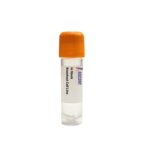
Ptgs2 Knockout RM-1 Cell Line

  • Product Type:

    In Stock Cell Lines

  • Species:

    Mus musculus (Mouse)

  • Tissue Source:

    Prostate

  • Disease:

    Carcinoma

CRISPR/Cas9-edited Ptgs2 knockout in the RM-1 mouse prostate cancer cell line. This model eliminates cyclooxygenase-2 (COX-2) activity, blocking arachidonic acid conversion to prostaglandins and disrupting downstream PGE2-mediated signaling through EP receptors, cAMP-PKA, and MAPK/ERK pathways. It enables detailed investigation of COX-2 functions in tumorigenesis, inflammation, and angiogenesis. Ideal for prostate cancer research, drug targeting studies, and immuno-oncology applications. Key assays include proliferation, migration, xenograft models, and analysis of NF-??B and PI3K/AKT pathway activity. The cell line offers a defined loss-of-function system for exploring COX-2-dependent mechanisms and therapeutic responses.

Inquire Now

In stock

Ships next business day


Ask a Question

Shipping Info:

Cryopreserved in vials and shipped on dry ice


Disclaimer:

For Research Use Only

  • Characteristics

    Host Cell

    RM-1

    Age

    17 days

    Gene Name

    Ptgs2

    Gene Identifier

    NCBI Gene ID 19225

    Morphology

    Fibroblast-like

    Growth Mode

    Adherent

    Storage

    Liquid nitrogen (LN2)

  • Culture Conditions

    Temperature

    37°C

    Atmosphere

    5% CO₂

  • Quality Control

    Sterility testing

    The bacterial, yeast, and fungi are not detected in these cells by daily monitor.

    Mycoplasma testing

    Negative for mycoplasma through PCR analysis

  • Disclaimer

    Intended Use

    This product is intended for laboratory in vitro use only. lt is not intended for diagnostic, therapeutic, or clinical applications.

    Disclaimer

    Ascent Research endeavors to provide accurate and up-to-date product information. However, no warranties or representations are made regarding its completeness or reliability. References to scientific literature and patents are for informational purposes only, and the customer assumes sole responsibility for verifying their accuracy.

    By accepting this product, the customer acknowledges and agrees to assume all risks associated with its receipt, handling, storage, disposal, and use, including compliance with all applicable safety and environmental regulations and precautions. Relevant laws, regulations, and ethical guidelines must be followed in conducting any research, modifications, or derivatives derived from this product.

    This product is provided "AS IS", and except as expressly stated herein, Ascent Research disclaims all other warranties, express or implied. Under no circumstances shall Ascent Research, its affiliates, or representatives be liable for indirect, incidental, consequential, or punitive damages arising from the use of this material. While Ascent Research employs rigorous quality control measures, we shall not be held responsible for damages resulting from misidentification or misinterpretation of the provided materials.

Description

The Ptgs2 Knockout RM-1 Cell Line is a CRISPR/Cas9-edited murine prostate cancer cell model featuring targeted disruption of the Ptgs2 gene, which encodes cyclooxygenase-2 (COX-2). By abolishing COX-2 enzymatic function, this cell line enables researchers to dissect prostaglandin-dependent pathways without confounding pharmacological inhibition. It serves as a defined, loss-of-function system for investigating COX-2 contributions to tumor biology, inflammation, and signal transduction in a genetically tractable background.

The parental RM-1 cell line was derived from a C57BL/6 mouse prostate adenocarcinoma and is widely used as a syngeneic model for studying prostate cancer progression, metastasis, and host-tumor interactions. RM-1 cells exhibit aggressive in vivo growth and retain key features of androgen-independent prostate cancer, making them suitable for evaluating therapeutic strategies and tumor microenvironment dynamics. Their murine origin allows for immunocompetent in vivo studies, facilitating research into immune cell infiltration, cytokine networks, and tumor-immune crosstalk.

COX-2 catalyzes the conversion of arachidonic acid to prostaglandin H2, the precursor for multiple prostanoids including PGE2, PGD2, PGF2??, and TXA2. Ptgs2 expression is transcriptionally upregulated by pro-inflammatory and mitogenic stimuli such as IL-1??, TNF-??, EGF, and PDGF, acting through NF-??B, MAPK, and Src pathways. Downstream, PGE2 exerts pleiotropic effects via EP1?CEP4 receptors, coupling to cAMP-PKA, PI3K/AKT, MAPK/ERK, and Wnt/??-catenin cascades. COX-2 also cooperates with ??-catenin and HIF-1?? to promote transcription of VEGF, MMPs, and Bcl-2, integrating inflammatory and oncogenic signals.

In the RM-1 prostate cancer context, Ptgs2 knockout eliminates COX-2-mediated prostaglandin synthesis, thereby blunting paracrine and autocrine loops that drive proliferation, survival, and angiogenesis. Loss of PGE2 signaling reduces EP receptor-mediated activation of cAMP-PKA and ERK pathways, impairing cell cycle progression and migratory capacity. Additionally, dampened NF-??B and PI3K/AKT activity attenuates expression of pro-survival factors, sensitizing cells to apoptotic stimuli. This model thus recapitulates the consequences of COX-2 ablation in a tumorigenic background, enabling dissection of tumor-intrinsic versus microenvironmental roles.

This cell line is ideally suited for mechanistic studies of COX-2 in prostate cancer, including analysis of tumor cell proliferation (MTT assay), migration and invasion (Transwell assays), and xenograft tumor growth. It facilitates investigation of NSAID mechanisms and COX-2-targeted therapies, as well as the role of prostaglandins in tumor-associated inflammation and angiogenesis. Researchers can combine standard assays such as PGE2 ELISA, Western blotting for COX-2 and phospho-ERK/AKT, RT-qPCR for downstream targets, and flow cytometry for apoptosis with chromatin immunoprecipitation (ChIP-qPCR) to assess NF-??B binding. The model also supports immuno-oncology studies in syngeneic hosts. For further information, please contact Ascent Research.


Reset Password

    Reach Us Questions? Click Me Here!

    Fill out the form below and a member of our team will contact you shortly!

    *Required field


      Reach Us

      Fill out the form below and a member of our team will contact you shortly!

      *Required field

      Product Inquiry (Optional)