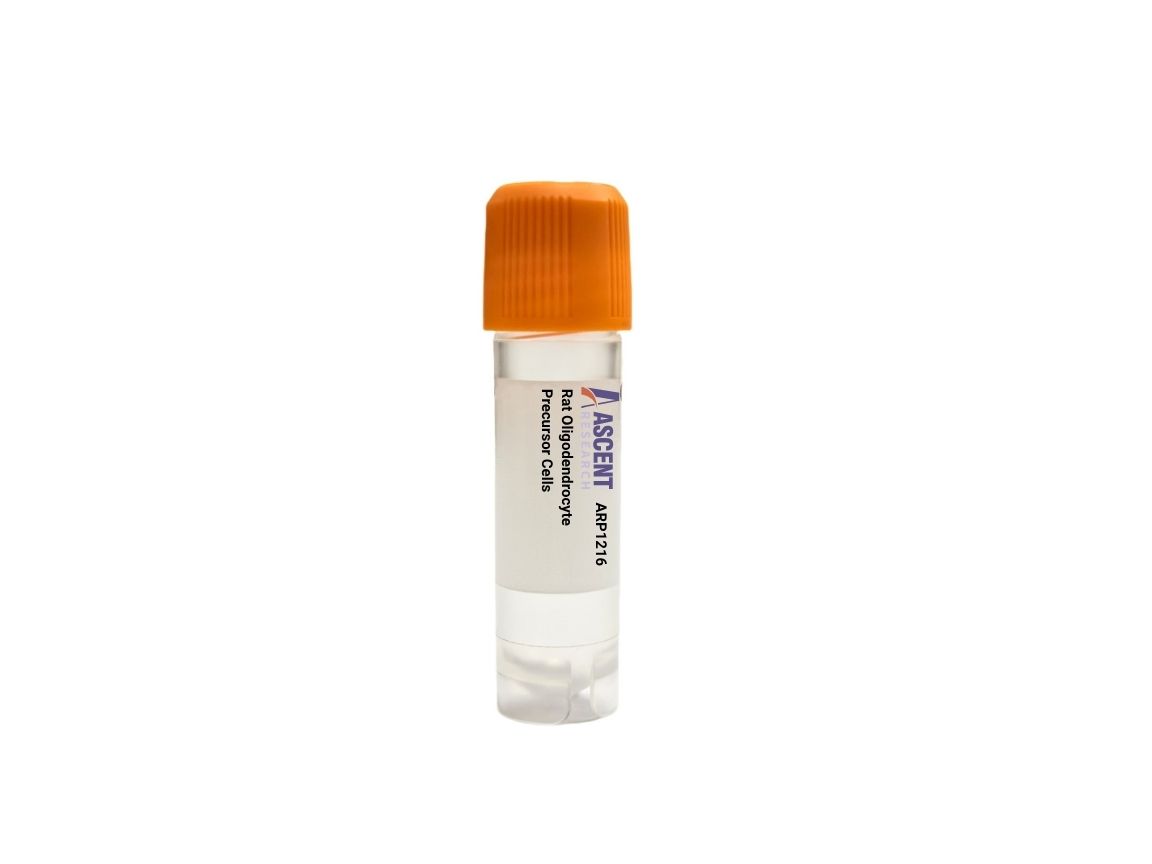
Rat Oligodendrocyte Precursor Cells (OPCs) are a population of glial progenitor cells derived from the central nervous system (CNS) of embryonic or neonatal rats. Characterized by their bipolar morphology and the expression of specific markers such as PDGFRα, NG2, and A2B5, these cells are highly proliferative and migratory. Their primary biological function is to differentiate into mature oligodendrocytes, the myelin-forming cells of the CNS, in response to developmental cues or injury. In the laboratory, rat OPCs are a critical in vitro model for studying the molecular mechanisms of oligodendrocyte differentiation, myelination, and remyelination. They are extensively utilized in neurobiology research to screen for therapeutic compounds aimed at treating demyelinating diseases (such as Multiple Sclerosis), to investigate the effects of hypoxia and inflammation on brain development, and to explore neuron-glia interactions in co-culture systems.