Quick Order Cart

Cat. No. ARG44088

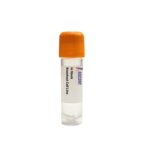
Ripk3 Knockout H9c2(2-1) Cell Line

  • Product Type:

    In Stock Cell Lines

  • Species:

    Rattus norvegicus (Rat)

  • Tissue Source:

    Heart

The Ripk3 Knockout H9c2(2-1) Cell Line is a CRISPR/Cas9-edited rat cardiomyoblast model deficient in RIPK3, a serine/threonine kinase essential for necroptosis and inflammatory signaling. Derived from the H9c2(2-1) subclone of BDIX embryonic heart tissue, this cell line retains myogenic differentiation capacity. RIPK3 acts downstream of TNF-?? and TLR agonists to phosphorylate MLKL, triggering necrotic cell death and pro-inflammatory responses via NLRP3 and NF-??B. This knockout enables dissection of necroptosis in cardiac cells, ischemia-reperfusion injury studies, and screening of RIPK3 inhibitors. Assays include phospho-MLKL western blotting, LDH release, cytokine profiling, and MLKL translocation imaging, making it a versatile tool for cardiovascular and cell death research.

Inquire Now

In stock

Ships next business day


Ask a Question

Shipping Info:

Cryopreserved in vials and shipped on dry ice


Disclaimer:

For Research Use Only

  • Characteristics

    Host Cell

    H9c2(2-1)

    Sex of Donor

    Unknown

    Age

    Embryo

    Derived From Site

    Embryonic heart

    Gene Name

    Ripk3

    Gene Identifier

    NCBI Gene ID 246240

    Growth Mode

    Adherent

    Storage

    Liquid nitrogen (LN2)

  • Culture Conditions

    Temperature

    37°C

    Atmosphere

    5% COâ‚‚

  • Quality Control

    Sterility testing

    The bacterial, yeast, and fungi are not detected in these cells by daily monitor.

    Mycoplasma testing

    Negative for mycoplasma through PCR analysis

  • Disclaimer

    Intended Use

    This product is intended for laboratory in vitro use only. It is not intended for diagnostic, therapeutic, or clinical applications.

    Disclaimer

    Ascent Research endeavors to provide accurate and up-to-date product information. However, no warranties or representations are made regarding its completeness or reliability. References to scientific literature and patents are for informational purposes only, and the customer assumes sole responsibility for verifying their accuracy.

    By accepting this product, the customer acknowledges and agrees to assume all risks associated with its receipt, handling, storage, disposal, and use, including compliance with all applicable safety and environmental regulations and precautions. Relevant laws, regulations, and ethical guidelines must be followed in conducting any research, modifications, or derivatives derived from this product.

    This product is provided "AS IS", and except as expressly stated herein, Ascent Research disclaims all other warranties, express or implied. Under no circumstances shall Ascent Research, its affiliates, or representatives be liable for indirect, incidental, consequential, or punitive damages arising from the use of this material. While Ascent Research employs rigorous quality control measures, we shall not be held responsible for damages resulting from misidentification or misinterpretation of the provided materials.

Description

The Ripk3 Knockout H9c2(2-1) Cell Line is a CRISPR/Cas9-edited rat cardiomyoblast line featuring targeted disruption of the Ripk3 gene, which encodes receptor-interacting serine/threonine-protein kinase 3 (RIPK3). This loss-of-function model enables investigation of necroptosis and inflammatory signaling in a cardiac-specific context. Derived from the H9c2(2-1) subclone of BDIX embryonic rat heart tissue, the knockout retains key parental characteristics while eliminating RIPK3 expression.

H9c2(2-1) is a subclone of the H9c2 rat cardiomyoblast line, originally isolated from embryonic ventricular tissue, and retains the capacity for myogenic differentiation into multinucleated myotubes. This well-characterized line expresses cardiac markers and exhibits electrophysiological properties of cardiomyocytes, providing a physiologically relevant model for cardiac cell death, survival, and inflammation. The knockout derivative maintains this differentiation potential, enabling RIPK3 functional studies in both proliferative myoblasts and differentiated cardiac muscle cells.

RIPK3 is a central kinase in necroptosis, a regulated necrotic cell death pathway. It is activated by upstream ligands such as TNF-??, FasL, TRAIL, LPS, and dsRNA, leading to necrosome formation with RIPK1 and TRIF. Active RIPK3 phosphorylates MLKL, prompting its oligomerization, membrane translocation, and pore formation that releases DAMPs. RIPK3 also promotes inflammation via NLRP3 inflammasome activation and NF-??B-mediated cytokine production, including IL-1?? and IL-18. Interactions with ZBP1, HSP90, PGAM5, FADD, and caspase-8 modulate RIPK3-dependent signaling outcomes.

In H9c2(2-1) cells, RIPK3-mediated necroptosis contributes to myocardial ischemia-reperfusion injury and inflammatory cardiomyopathy. Knockout of Ripk3 abolishes necroptotic death induced by stimuli such as TNF-?? plus caspase inhibition or hypoxia-reoxygenation, conferring protection against cardiomyocyte loss and reducing inflammatory mediator release. This clean genetic system enables dissection of necroptosis from apoptosis or pyroptosis and supports studies of RIPK3??s role in inflammatory signaling within cardiac cells, including regulation of the NLRP3 inflammasome and NF-??B targets.

This knockout cell line is ideal for studying RIPK1-RIPK3-MLKL signaling, screening RIPK3 inhibitors, and modeling ischemia-reperfusion injury. Typical assays include western blotting for phospho-MLKL, LDH release, propidium iodide uptake, cell viability assays (MTT/CCK-8), flow cytometry, RT-qPCR for cytokines, immunofluorescence for MLKL translocation, and co-immunoprecipitation of necrosome components. Caspase activity assays distinguish necroptosis from apoptosis, with the knockout serving as a specificity control. For technical support, contact Ascent Research.


Reset Password

    Reach Us Questions? Click Me Here!

    Fill out the form below and a member of our team will contact you shortly!

    *Required field


      Reach Us

      Fill out the form below and a member of our team will contact you shortly!

      *Required field

      Product Inquiry (Optional)