Quick Order Cart

Cat. No. ARG44089

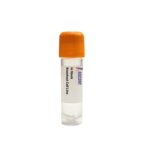
RNF141 Knockout Huh-7 Cell Line

  • Product Type:

    In Stock Cell Lines

  • Species:

    Homo sapiens (Human)

  • Tissue Source:

    Liver

  • Disease:

    Hepatocellular carcinoma

The RNF141 Knockout Huh-7 Cell Line is a CRISPR/Cas9-mediated gene disruption model in the Huh-7 hepatocellular carcinoma background, designed for loss-of-function studies of the RING finger protein RNF141, a predicted E3 ubiquitin ligase. This stable knockout cell line enables interrogation of RNF141??s role in ubiquitin-dependent proteolysis and its impact on apoptosis and cell cycle regulation in liver cancer cells. RNF141 interacts with E2 ubiquitin-conjugating enzymes and the 26S proteasome to target substrates for degradation. Applications include ubiquitination and proteasome inhibition assays, co-immunoprecipitation, proliferation analysis, and flow cytometry, supporting drug discovery and mechanistic research into hepatocellular carcinoma.

Inquire Now

In stock

Ships next business day


Ask a Question

Shipping Info:

Cryopreserved in vials and shipped on dry ice


Disclaimer:

For Research Use Only

  • Characteristics

    Host Cell

    Huh-7

    Sex of Donor

    Male

    Age

    57 years

    Gene Name

    RNF141

    Gene Identifier

    NCBI Gene ID 50862

    Morphology

    Epithelial-like

    Growth Mode

    Adherent

    Storage

    Liquid nitrogen (LN2)

  • Culture Conditions

    Temperature

    37°C

    Atmosphere

    5% COâ‚‚

  • Quality Control

    Sterility testing

    The bacterial, yeast, and fungi are not detected in these cells by daily monitor.

    Mycoplasma testing

    Negative for mycoplasma through PCR analysis

  • Disclaimer

    Intended Use

    This product is intended for laboratory in vitro use only. It is not intended for diagnostic, therapeutic, or clinical applications.

    Disclaimer

    Ascent Research endeavors to provide accurate and up-to-date product information. However, no warranties or representations are made regarding its completeness or reliability. References to scientific literature and patents are for informational purposes only, and the customer assumes sole responsibility for verifying their accuracy.

    By accepting this product, the customer acknowledges and agrees to assume all risks associated with its receipt, handling, storage, disposal, and use, including compliance with all applicable safety and environmental regulations and precautions. Relevant laws, regulations, and ethical guidelines must be followed in conducting any research, modifications, or derivatives derived from this product.

    This product is provided "AS IS", and except as expressly stated herein, Ascent Research disclaims all other warranties, express or implied. Under no circumstances shall Ascent Research, its affiliates, or representatives be liable for indirect, incidental, consequential, or punitive damages arising from the use of this material. While Ascent Research employs rigorous quality control measures, we shall not be held responsible for damages resulting from misidentification or misinterpretation of the provided materials.

Description

The RNF141 Knockout Huh-7 Cell Line is a genetically engineered human hepatocellular carcinoma cell model in which the gene encoding RING finger protein 141 (RNF141) has been disrupted using CRISPR/Cas9-mediated gene targeting. This knockout cell line provides a stable loss-of-function system for investigating the role of RNF141, a predicted E3 ubiquitin-protein ligase, in liver cancer biology and ubiquitin-dependent regulatory networks. The cell line is derived from the Huh-7 parental line and lacks functional RNF141 expression, enabling precise studies of substrate ubiquitination, protein degradation, and downstream cellular processes dependent on this ligase.

The Huh-7 cell line was originally established from a hepatocellular carcinoma of a Japanese male and is extensively employed in hepatology research, including studies of liver carcinogenesis, drug metabolism, and hepatitis virus infection. Huh-7 cells retain many hepatocyte-specific features and are highly permissive for viral replication, making them a widely accepted model for mechanistic and translational liver research. Their robust growth and well-characterized genomic landscape provide a reliable platform for knockout studies, allowing direct interrogation of gene function within a liver cancer context.

RNF141 belongs to the RING finger family of E3 ubiquitin ligases, which mediate the final transfer of ubiquitin to substrate proteins, targeting them for 26S proteasome-dependent degradation. The protein interacts with E2 ubiquitin-conjugating enzymes and proteasomal subunits to execute ubiquitin-mediated proteolysis. Although substrates remain unidentified, RNF141 is implicated in apoptosis and cell cycle regulation, consistent with its link to spermatogenesis and hepatocellular carcinoma. The ubiquitination cascade proceeds through E1 activating enzyme, E2 conjugating enzyme, and RNF141 E3 ligase, leading to polyubiquitination and proteasomal recognition. Disruption of RNF141 likely stabilizes key substrates, perturbing pathways that control cell proliferation and programmed cell death.

In Huh-7 hepatocellular carcinoma cells, RNF141 knockout offers a valuable tool to dissect how loss of this E3 ligase impacts liver cancer cell behavior. Since ubiquitin-mediated proteolysis is frequently dysregulated in cancer, altering the turnover of oncoproteins and tumor suppressors, the absence of RNF141 may reveal substrates critical for hepatocellular carcinoma growth or survival. This knockout model can be used to assess changes in cell cycle distribution, apoptotic sensitivity, and proliferation rates, providing insights into the role of RNF141 in hepatocarcinogenesis and its potential as a therapeutic target.

Researchers may employ this cell line for ubiquitination assays, co-immunoprecipitation of ubiquitin-conjugated proteins, and proteasome inhibition studies to identify RNF141 substrates. Functional readouts including CCK-8 proliferation, flow cytometry for cell cycle and apoptosis, and Western blotting can elucidate downstream effects. The model is suitable for high-throughput screens of ubiquitin-proteasome modulators in liver cancer. For detailed information, please contact Ascent Research.


Reset Password

    Reach Us Questions? Click Me Here!

    Fill out the form below and a member of our team will contact you shortly!

    *Required field


      Reach Us

      Fill out the form below and a member of our team will contact you shortly!

      *Required field

      Product Inquiry (Optional)