Quick Order Cart

Cat. No. ARG44109

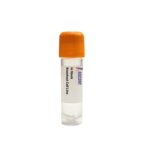
SFXN3 Knockout THP-1 Cell Line

  • Product Type:

    In Stock Cell Lines

  • Species:

    Homo sapiens (Human)

  • Tissue Source:

    Blood (peripheral blood)

  • Disease:

    Acute monoblastic leukemia

The SFXN3 Knockout THP-1 Cell Line is a CRISPR/Cas9-edited human monocyte model with targeted disruption of the mitochondrial serine transporter SFXN3. This gene is essential for one-carbon metabolism, supporting purine and glutathione synthesis and NADPH regeneration. In THP-1 cells, SFXN3 loss-of-function enables dissection of immunometabolic networks involving SHMT2, MTHFD2, and ALDH1L2, which are key mediators of serine-fueled mitochondrial metabolism. This knockout cell line is ideal for cancer metabolism, mitochondrial transport, and functional genomics studies, with assays such as LC-MS metabolite tracing, Seahorse respirometry, and proliferation analyses. It provides a robust platform to study how serine import affects immune cell function, redox balance, and leukemic cell growth. Contact Ascent Research for more information.

Inquire Now

In stock

Ships next business day


Ask a Question

Shipping Info:

Cryopreserved in vials and shipped on dry ice


Disclaimer:

For Research Use Only

  • Characteristics

    Host Cell

    THP-1

    Sex of Donor

    Male

    Age

    1 year

    Derived From Site

    In situ; Peripheral blood

    Gene Name

    SFXN3

    Gene Identifier

    NCBI Gene ID 81855

    Growth Mode

    Suspension

    Storage

    Liquid nitrogen (LN2)

  • Culture Conditions

    Temperature

    37°C

    Atmosphere

    5% COâ‚‚

  • Quality Control

    Sterility testing

    The bacterial, yeast, and fungi are not detected in these cells by daily monitor.

    Mycoplasma testing

    Negative for mycoplasma through PCR analysis

  • Disclaimer

    Intended Use

    This product is intended for laboratory in vitro use only. It is not intended for diagnostic, therapeutic, or clinical applications.

    Disclaimer

    Ascent Research endeavors to provide accurate and up-to-date product information. However, no warranties or representations are made regarding its completeness or reliability. References to scientific literature and patents are for informational purposes only, and the customer assumes sole responsibility for verifying their accuracy.

    By accepting this product, the customer acknowledges and agrees to assume all risks associated with its receipt, handling, storage, disposal, and use, including compliance with all applicable safety and environmental regulations and precautions. Relevant laws, regulations, and ethical guidelines must be followed in conducting any research, modifications, or derivatives derived from this product.

    This product is provided "AS IS", and except as expressly stated herein, Ascent Research disclaims all other warranties, express or implied. Under no circumstances shall Ascent Research, its affiliates, or representatives be liable for indirect, incidental, consequential, or punitive damages arising from the use of this material. While Ascent Research employs rigorous quality control measures, we shall not be held responsible for damages resulting from misidentification or misinterpretation of the provided materials.

Description

The SFXN3 Knockout THP-1 Cell Line is a CRISPR/Cas9-edited knockout cell line designed for functional genomics studies of the SFXN3 gene in a human monocyte model. Utilizing CRISPR/Cas9-mediated gene disruption, this cell line provides a loss-of-function model to investigate the role of SFXN3 in one-carbon metabolism, purine and glutathione synthesis, and mitochondrial serine transport. This product is supplied as a ready-to-use cell line and serves as a valuable tool for researchers in cancer biology, immunometabolism, and mitochondrial biology.

The THP-1 cell line, derived from the peripheral blood of an acute monocytic leukemia patient, is a widely employed monocyte/macrophage model. THP-1 cells exhibit key characteristics of innate immune cells, including robust phagocytic activity, cytokine production, and responsiveness to inflammatory stimuli. Their ability to be differentiated into macrophage-like cells makes them a versatile platform for studying monocyte and macrophage biology, as well as for investigating metabolic reprogramming in the context of immune responses and leukemia pathogenesis.

SFXN3 encodes a mitochondrial serine transporter that channels serine into the mitochondrial matrix, fueling the one-carbon metabolism pathway. Within mitochondria, serine is converted by serine hydroxymethyltransferase 2 (SHMT2) into glycine and a one-carbon unit, which is subsequently processed by methylenetetrahydrofolate dehydrogenase 2 (MTHFD2) and aldehyde dehydrogenase 1 family member L2 (ALDH1L2) to generate formate, purine precursors, and NADPH. SFXN3 activity is regulated by serine availability and by mTORC1 and MYC signaling, and its downstream products??including purine nucleotides, glutathione, and NADPH??are essential for cell proliferation and redox homeostasis. The protein interacts with SHMT2, MTHFD2, and ALDH1L2, forming a functional module that couples mitochondrial serine import to nucleotide and antioxidant synthesis.

In THP-1 monocytes, SFXN3-mediated serine import is critical for sustaining one-carbon metabolism during immune activation and proliferation. Disruption of SFXN3 is predicted to impair formate and purine synthesis, limit glutathione production, and alter NADPH regeneration, potentially compromising antioxidant defenses and cell cycle progression. This knockout model thus enables the dissection of mitochondrial substrate transport and its link to immunometabolic phenotypes, including phagocytosis, cytokine secretion, and inflammatory responses. Moreover, given the THP-1 origin from leukemic cells, the model is particularly relevant for exploring metabolic vulnerabilities in leukemia and other cancers.

The SFXN3 Knockout THP-1 Cell Line is suitable for a broad range of experimental applications, including cancer metabolism studies using LC-MS-based metabolite tracing and Seahorse respirometry to assess mitochondrial function and metabolic flux. Researchers can employ RT-qPCR and western blotting to validate downstream pathway alterations, and flow cytometry or proliferation assays to evaluate immune cell function and growth. This tool supports investigations into one-carbon metabolism, immunometabolism, and mitochondrial substrate transport, and can be used in functional genomics screens. For additional details, please contact Ascent Research.


Reset Password

    Reach Us Questions? Click Me Here!

    Fill out the form below and a member of our team will contact you shortly!

    *Required field


      Reach Us

      Fill out the form below and a member of our team will contact you shortly!

      *Required field

      Product Inquiry (Optional)