Quick Order Cart

Cat. No. ARG44140

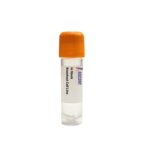
STING1 Knockout HK-2 Cell Line

  • Product Type:

    In Stock Cell Lines

The STING1 Knockout HK-2 Cell Line is a CRISPR/Cas9-edited human proximal tubule epithelial cell line with targeted disruption of the STING1 (TMEM173) gene. This loss-of-function model allows dissection of STING1-dependent innate immune signaling in an HK-2 renal epithelial background. STING1 is a cytosolic adaptor for cyclic dinucleotide sensing that activates TBK1-IRF3 and NF-kappaB cascades, driving type I interferon and pro-inflammatory cytokine production. This knockout line is valuable for examining cGAS-STING pathway roles in renal inflammation, autoinflammatory disease (such as SAVI), host-pathogen interactions, and cancer immunotherapy, and it is suitable for functional assays including IFNB1 quantification and STING translocation analysis.

Inquire Now

In stock

Ships next business day


Ask a Question

Shipping Info:

Cryopreserved in vials and shipped on dry ice


Disclaimer:

For Research Use Only

  • Characteristics

    Host Cell

    HK-2

    Gene Name

    Sting1

    Gene Identifier

    NCBI Gene ID 340061

    Storage

    Liquid nitrogen (LN2)

  • Culture Conditions

    Temperature

    37°C

    Atmosphere

    5% CO₂

  • Quality Control

    Sterility testing

    The bacterial, yeast, and fungi are not detected in these cells by daily monitor.

    Mycoplasma testing

    Negative for mycoplasma through PCR analysis

  • Disclaimer

    Intended Use

    This product is intended for laboratory in vitro use only. lt is not intended for diagnostic, therapeutic, or clinical applications.

    Disclaimer

    Ascent Research endeavors to provide accurate and up-to-date product information. However, no warranties or representations are made regarding its completeness or reliability. References to scientific literature and patents are for informational purposes only, and the customer assumes sole responsibility for verifying their accuracy.

    By accepting this product, the customer acknowledges and agrees to assume all risks associated with its receipt, handling, storage, disposal, and use, including compliance with all applicable safety and environmental regulations and precautions. Relevant laws, regulations, and ethical guidelines must be followed in conducting any research, modifications, or derivatives derived from this product.

    This product is provided "AS IS", and except as expressly stated herein, Ascent Research disclaims all other warranties, express or implied. Under no circumstances shall Ascent Research, its affiliates, or representatives be liable for indirect, incidental, consequential, or punitive damages arising from the use of this material. While Ascent Research employs rigorous quality control measures, we shall not be held responsible for damages resulting from misidentification or misinterpretation of the provided materials.

Description

The STING1 Knockout HK-2 Cell Line is a CRISPR/Cas9-edited human knockout cell line featuring targeted disruption of the STING1 (TMEM173) gene. This loss-of-function model enables researchers to interrogate STING1-dependent signaling in a defined human renal proximal tubule epithelial background. The cell line is generated using CRISPR/Cas9-mediated gene disruption, resulting in abrogation of STING1 protein expression. It provides a stable and reproducible system for studying innate immune pathways, particularly the cGAS-STING axis, without the confounding effects of residual STING activity.

The parental HK-2 cell line is an immortalized human kidney proximal tubule epithelial line derived from normal adult renal tissue. It retains morphological and functional features of proximal tubular epithelia, including polarity and transport capacity, serving as a standard model for renal physiology, drug handling, and nephrotoxicity. HK-2 cells also express innate immune sensors and can produce inflammatory responses, making them suitable for studying tubular immune signaling. The STING1 knockout derivative enables focused analysis of nucleic acid sensing pathways in this context.

STING1, encoded by TMEM173, is an endoplasmic reticulum-resident adaptor that detects cytosolic cyclic dinucleotides, primarily 2’3′-cGAMP produced by cGAS upon sensing double-stranded DNA. Ligand binding induces STING1 trafficking via SEC24C to the Golgi, where it recruits TBK1 to phosphorylate IRF3 and activate NF-kappaB. Phosphorylated IRF3 dimerizes and drives transcription of type I interferons (IFNB1) and interferon-stimulated genes (ISG15, CXCL10). Upstream regulators include TREX1, which degrades cytosolic DNA, and ULK1, which attenuates STING activity. STING1 also interacts with STIM1 and can engage in crosstalk with RIG-I pathways.

In renal proximal tubule cells, STING1 signaling contributes to inflammation triggered by mitochondrial DNA release during stress, relevant to acute kidney injury and chronic kidney disease. The knockout line enables dissection of cell-intrinsic STING roles in interferon production, immune cell recruitment, and tubular damage, and supports studies on STING1-mediated autophagy, senescence, and metabolic regulation. It also provides a platform for evaluating STING-targeted therapies in a kidney-relevant context.

Applications encompass innate immunity research, cGAS-STING pathway analysis, host-pathogen interactions, cancer immunotherapy, and autoinflammatory disease modeling including SAVI. In renal studies, it facilitates investigation of STING-dependent tubular inflammation and drug screening. Key assays include Western blotting for STING/TBK1/phospho-IRF3, RT-qPCR for IFNB1/CXCL10, immunofluorescence for STING translocation, cGAMP-induced IFN-?? luciferase reporter, and co-immunoprecipitation of STING-TBK1. For further information, contact Ascent Research.


Reset Password

    Reach Us Questions? Click Me Here!

    Fill out the form below and a member of our team will contact you shortly!

    *Required field


      Reach Us

      Fill out the form below and a member of our team will contact you shortly!

      *Required field

      Product Inquiry (Optional)