Quick Order Cart

Cat. No. ARG44155

TGM2 Knockout HeLa Cell Line

  • Product Type:

    In Stock Cell Lines

  • Species:

    Homo sapiens (Human)

  • Tissue Source:

    Uterus (cervix)

  • Disease:

    Adenocarcinoma

The TGM2 Knockout HeLa Cell Line is a CRISPR/Cas9-edited knockout cell line derived from human cervical adenocarcinoma HeLa cells, engineered to disrupt transglutaminase 2. TGM2 is a calcium-dependent enzyme that cross-links ECM proteins such as fibronectin and regulates key pathways including NF-kappaB (via I-kappaBalpha cross-linking) and TGF-beta (via SMAD2/3 and FAK/RhoA signaling), thereby controlling cell adhesion, survival, and migration. This model is ideal for studying adhesion, apoptosis, ECM remodeling, cancer metastasis, and drug resistance in an HPV18-positive cervical carcinoma background. It supports transglutaminase activity assays, western blotting, cell migration/invasion assays, and inhibitor testing. Contact Ascent Research for details.

Inquire Now

In stock

Ships next business day


Ask a Question

Shipping Info:

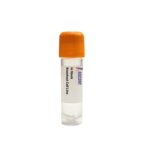
Cryopreserved in vials and shipped on dry ice


Disclaimer:

For Research Use Only

  • Characteristics

    Host Cell

    HeLa

    Sex of Donor

    Female

    Age

    31 years

    Gene Name

    TGM2

    Gene Identifier

    NCBI Gene ID 7052

    Morphology

    Epithelial-like

    Growth Mode

    Adherent

    Storage

    Liquid nitrogen (LN2)

  • Culture Conditions

    Temperature

    37°C

    Atmosphere

    5% COâ‚‚

  • Quality Control

    Sterility testing

    The bacterial, yeast, and fungi are not detected in these cells by daily monitor.

    Mycoplasma testing

    Negative for mycoplasma through PCR analysis

  • Disclaimer

    Intended Use

    This product is intended for laboratory in vitro use only. It is not intended for diagnostic, therapeutic, or clinical applications.

    Disclaimer

    Ascent Research endeavors to provide accurate and up-to-date product information. However, no warranties or representations are made regarding its completeness or reliability. References to scientific literature and patents are for informational purposes only, and the customer assumes sole responsibility for verifying their accuracy.

    By accepting this product, the customer acknowledges and agrees to assume all risks associated with its receipt, handling, storage, disposal, and use, including compliance with all applicable safety and environmental regulations and precautions. Relevant laws, regulations, and ethical guidelines must be followed in conducting any research, modifications, or derivatives derived from this product.

    This product is provided "AS IS", and except as expressly stated herein, Ascent Research disclaims all other warranties, express or implied. Under no circumstances shall Ascent Research, its affiliates, or representatives be liable for indirect, incidental, consequential, or punitive damages arising from the use of this material. While Ascent Research employs rigorous quality control measures, we shall not be held responsible for damages resulting from misidentification or misinterpretation of the provided materials.

Description

The TGM2 Knockout HeLa Cell Line is a CRISPR/Cas9-edited knockout cell line engineered to disrupt the TGM2 gene, which encodes transglutaminase 2, a multifunctional calcium-dependent enzyme. This loss-of-function model enables robust investigation of TGM2-dependent cellular processes without relying on transient suppression methods. The knockout cell line is derived from the HeLa parental line and serves as a stable, tractable system for dissecting TGM2-mediated signaling and enzymatic functions in a human epithelial context.

HeLa cells are a classic human cervical adenocarcinoma epithelial line that harbors HPV18 sequences, providing a well-characterized model for studying oncogenic transformation, viral host interactions, and tumor cell biology. Their rapid proliferation, ease of genetic manipulation, and extensive literature background make them a preferred host for gene knockout studies in cancer and cell signaling research. This TGM2-deficient derivative retains the core properties of the parental HeLa line while eliminating endogenous transglutaminase activity, enabling comparative analyses of TGM2-dependent phenotypes.

TGM2 functions as a calcium-dependent transamidase that cross-links extracellular matrix (ECM) proteins such as fibronectin and osteopontin, thereby stabilizing the ECM and modulating integrin-mediated adhesion. Intracellularly, TGM2 operates as a GTP-binding protein and interacts with multiple signaling nodes. It is induced by TNF-alpha, TGF-beta, and hypoxia via HIF-1alpha and activates NF-kappaB signaling by cross-linking I-kappaBalpha, leading to its degradation and release of NFKB1/RELA dimers. Additionally, TGM2 facilitates TGF-beta pathway activation by promoting TGFBR1-mediated phosphorylation of SMAD2/3, and enhances focal adhesion kinase (FAK) and RhoA signaling, linking ECM remodeling to cytoskeletal dynamics and survival. Interactions with beta-catenin further connect TGM2 to Wnt signaling, underscoring its pleiotropic roles in cellular homeostasis and disease.

In the HeLa cervical carcinoma background, loss of TGM2 is expected to attenuate ECM cross-linking and alter adhesion-dependent signaling, providing a powerful model to examine mechanisms of cancer cell migration, invasion, and anoikis resistance. The knockout line allows dissection of how TGM2 integrates signals from the tumor microenvironment??such as TGF-beta and TNF-alpha??to drive oncogenic NF-kappaB and FAK/RhoA pathways. It also offers a platform to study the interplay between HPV oncoproteins and host transglutaminase activity in cervical cancer progression, potentially revealing vulnerabilities for therapeutic intervention.

Researchers can employ this cell line in a variety of assays to interrogate TGM2 function. Transglutaminase activity assays and western blotting confirm protein loss and enzymatic deficiency, while cell adhesion and migration/invasion assays quantify phenotypic changes. Apoptosis assays, such as Annexin V/PI staining, reveal altered survival signaling, and immunofluorescence or RT-qPCR can assess downstream target expression and localization. The model is particularly suited for testing transglutaminase inhibitors, investigating drug resistance mechanisms, and exploring ECM-dependent signaling in cancer metastasis. For technical specifications and ordering information, please contact Ascent Research.


Reset Password

    Reach Us Questions? Click Me Here!

    Fill out the form below and a member of our team will contact you shortly!

    *Required field


      Reach Us

      Fill out the form below and a member of our team will contact you shortly!

      *Required field

      Product Inquiry (Optional)