Security Notice: Please be aware of impersonation attempts using our company name
Legitimate communications from Ascent Research will only come from official @ascentresearch.com email addresses.
Quick Order Cart

Cat. No. ARG0333

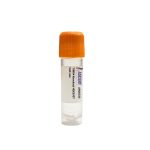
TIMD4 Knockout HEK293T Cell Line

  • Product Type:

    Genome-edited Cells

  • Tissue Source:

    Kidney

  • Gene Species:

    Homo sapiens (Human)

The TIMD4 Knockout HEK293T Cell Line is a CRISPR/Cas9-edited knockout cell line targeting TIMD4, which encodes TIM-4, a phosphatidylserine receptor essential for apoptotic cell clearance (efferocytosis) and immune tolerance. Derived from highly transfectable HEK293T cells, this model offers a stable loss-of-function background for studying TIMD4-mediated signaling, including its activation by IL-4/STAT6 and its cooperation with MerTK and integrin ??v??3. It is ideal for phagocytosis assays, co-immunoprecipitation, cytokine profiling (IL-10, TGF-??), and drug screening. Researchers can study TIMD4 in autoimmune disease, cancer immune evasion, and atherosclerosis without transient gene silencing variability.

Inquire Now

In stock

Ships next business day


Ask a Question

Shipping Info:

Cryopreserved in vials and shipped on dry ice


Disclaimer:

For Research Use Only

  • Characteristics

    Host Cell

    HEK293T

    Age

    Fetus

    Sex of Donor

    Female

    Gene Name

    TIMD4

    Gene Species

    Homo sapiens (Human)

    Gene Identifier

    NCBI Gene ID 91937

  • Culture Conditions

    Temperature

    37°C

    Atmosphere

    5% CO₂

  • Quality Control

    Sterility testing

    Daily monitoring confirms that the cells are free from bacterial, yeast, and fungal contamination.

    Mycoplasma testing

    Negative for mycoplasma through PCR analysis

    Pathogens

    Cells tested negative for HIV-1, HBV, and HCV.

  • Disclaimer

    Intended Use

    This product is intended for laboratory in vitro use only. lt is not intended for diagnostic, therapeutic, or clinical applications.

    Disclaimer

    Ascent Research endeavors to provide accurate and up-to-date product information. However, no warranties or representations are made regarding its completeness or reliability. References to scientific literature and patents are for informational purposes only, and the customer assumes sole responsibility for verifying their accuracy.

    By accepting this product, the customer acknowledges and agrees to assume all risks associated with its receipt, handling, storage, disposal, and use, including compliance with all applicable safety and environmental regulations and precautions. Relevant laws, regulations, and ethical guidelines must be followed in conducting any research, modifications, or derivatives derived from this product.

    This product is provided "AS IS", and except as expressly stated herein, Ascent Research disclaims all other warranties, express or implied. Under no circumstances shall Ascent Research, its affiliates, or representatives be liable for indirect, incidental, consequential, or punitive damages arising from the use of this material. While Ascent Research employs rigorous quality control measures, we shall not be held responsible for damages resulting from misidentification or misinterpretation of the provided materials.

Description

The TIMD4 Knockout HEK293T Cell Line is a CRISPR/Cas9-edited knockout cell line that disrupts the TIMD4 gene in HEK293T cells. TIMD4 encodes TIM-4, a type I transmembrane protein that functions as a phosphatidylserine receptor. TIM-4 mediates recognition and engulfment of apoptotic cells by macrophages, a process known as efferocytosis, and is crucial for maintaining immune tolerance. This loss-of-function model provides a stable genetic background for investigating TIMD4-dependent signaling pathways without the variability of transient knockdown methods.

HEK293T cells are a clonal derivative of human embryonic kidney HEK293 cells transformed with sheared adenovirus 5 DNA and stably expressing the SV40 large T antigen. The large T antigen allows episomal replication of transfected plasmids containing the SV40 origin of replication, yielding high protein expression. These cells are widely recognized for their exceptional transfectability and are commonly employed for transient protein production, lentivirus generation, and retrovirus production. Their robust growth and well-characterized genome make them an optimal platform for generating CRISPR/Cas9-edited knockout lines for biochemical and cell biological investigations.

TIMD4 expression is induced by IL-4/STAT6 signaling and is additionally regulated by the transcription factors PPAR??, NF-??B, and TGF-??. Upon binding phosphatidylserine on apoptotic cells, TIMD4 cooperates with the co-receptor MerTK and integrin ??v??3 to initiate intracellular signaling. This leads to activation of the small GTPase RAC1, which drives actin cytoskeleton rearrangement and formation of the phagocytic cup. Downstream, PI3K/Akt signaling is triggered, resulting in the secretion of anti-inflammatory cytokines IL-10 and TGF-??, which promote immune tolerance. TIMD4 also interacts with TIMD1 (HAVCR1) and TLR4, thereby linking efferocytosis to innate immunity and T-cell regulation. Key pathway components include IL-4R, STAT6, TIMD4, phosphatidylserine, MerTK, RAC1, PI3K, and actin.

Although HEK293T cells are not professional phagocytes, the TIMD4 knockout cell line serves as a valuable isogenic negative control for ectopic expression studies. When TIMD4 and its partners are reconstituted, this system enables precise dissection of TIMD4-mediated signaling, trafficking, and protein?Cprotein interactions without interference from endogenous TIMD4. Researchers can investigate the kinetics of phagocytic receptor activation, the molecular requirements for phagocytic cup formation, and the interplay between TIMD4 and co-receptors such as MerTK and integrins in a controlled cellular environment.

This knockout line is suited for a range of functional assays. Phagocytosis can be quantified using pHrodo-conjugated apoptotic cells, while co-immunoprecipitation experiments reveal direct interactions between TIMD4 and MerTK or integrins. ELISA-based measurement of IL-10 and TGF-?? secretion assesses downstream anti-inflammatory signaling. Flow cytometry detection of phosphatidylserine binding and confocal microscopy visualization of engulfment provide complementary data. The line also supports high-throughput screening for small-molecule modulators of efferocytosis, with implications for autoimmune diseases, cancer immune evasion, atherosclerosis, and allergic inflammation. For further technical details, validation data, or ordering information, please contact Ascent Research.


Reset Password

    Reach Us Questions? Click Me Here!

    Fill out the form below and a member of our team will contact you shortly!

    *Required field


      Reach Us

      Fill out the form below and a member of our team will contact you shortly!

      *Required field

      Product Inquiry (Optional)