Quick Order Cart

Cat. No. ARG44174

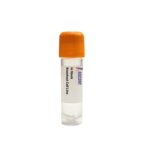
Tnfsf11 Knockout MLO-Y4 Cell Line

  • Product Type:

    In Stock Cell Lines

  • Species:

    Mus musculus (Mouse)

  • Tissue Source:

    Bone

The Tnfsf11 Knockout MLO-Y4 Cell Line is a CRISPR/Cas9-edited mouse osteocyte-like line with disrupted Tnfsf11, abolishing RANKL expression. It eliminates the key osteoclastogenic cytokine, enabling study of osteocyte-specific bone remodeling. RANKL normally binds RANK, activating TRAF6-mediated NF-??B and MAPK cascades that induce NFATc1. Applications include co-culture osteoclastogenesis assays, NF-??B/NFATc1 reporter analysis, and ELISA for secreted RANKL/OPG, supporting drug screening for anti-resorptive therapies. It is invaluable for exploring osteocyte-osteoclast crosstalk in osteoporosis, bone metastasis, and inflammatory bone loss.

Inquire Now

In stock

Ships next business day


Ask a Question

Shipping Info:

Cryopreserved in vials and shipped on dry ice


Disclaimer:

For Research Use Only

  • Characteristics

    Host Cell

    MLO-Y4

    Sex of Donor

    Unknown

    Age

    14 days

    Derived From Site

    long bone

    Gene Name

    Tnfsf11

    Gene Identifier

    NCBI Gene ID 21943

    Growth Mode

    Adherent

    Storage

    Liquid nitrogen (LN2)

  • Culture Conditions

    Temperature

    37°C

    Atmosphere

    5% COâ‚‚

  • Quality Control

    Sterility testing

    The bacterial, yeast, and fungi are not detected in these cells by daily monitor.

    Mycoplasma testing

    Negative for mycoplasma through PCR analysis

  • Disclaimer

    Intended Use

    This product is intended for laboratory in vitro use only. It is not intended for diagnostic, therapeutic, or clinical applications.

    Disclaimer

    Ascent Research endeavors to provide accurate and up-to-date product information. However, no warranties or representations are made regarding its completeness or reliability. References to scientific literature and patents are for informational purposes only, and the customer assumes sole responsibility for verifying their accuracy.

    By accepting this product, the customer acknowledges and agrees to assume all risks associated with its receipt, handling, storage, disposal, and use, including compliance with all applicable safety and environmental regulations and precautions. Relevant laws, regulations, and ethical guidelines must be followed in conducting any research, modifications, or derivatives derived from this product.

    This product is provided "AS IS", and except as expressly stated herein, Ascent Research disclaims all other warranties, express or implied. Under no circumstances shall Ascent Research, its affiliates, or representatives be liable for indirect, incidental, consequential, or punitive damages arising from the use of this material. While Ascent Research employs rigorous quality control measures, we shall not be held responsible for damages resulting from misidentification or misinterpretation of the provided materials.

Description

The Tnfsf11 Knockout MLO-Y4 Cell Line is a CRISPR/Cas9-edited mouse osteocyte-like cell line with targeted disruption of the Tnfsf11 gene, leading to abrogation of RANKL protein expression. This loss-of-function model eliminates the key cytokine required for osteoclast differentiation and activation, providing a defined platform for probing RANKL-dependent signaling pathways.

The parental MLO-Y4 line is an immortalized osteocyte-like cell model derived from transgenic mice expressing SV40 large T antigen. These cells retain a dendritic morphology and expression of osteocyte markers, functioning as mechanosensory cells that regulate bone remodeling by controlling osteoblast and osteoclast activity. MLO-Y4 cells endogenously produce RANKL in response to mechanical and hormonal stimuli, making them a physiologically relevant host for gene knockout studies.

Tnfsf11 encodes RANKL, a type II transmembrane protein that binds to the RANK receptor on osteoclast precursors, recruiting TRAF6 and triggering activation of NF-??B and MAPK (JNK, p38, ERK) cascades. These signals induce NFATc1, the master transcription factor for osteoclastogenesis, which upregulates genes such as Acp5 (TRAP), Ctsk (cathepsin K), and Calcr (calcitonin receptor). RANKL activity is inhibited by the soluble decoy receptor OPG, and its expression is stimulated by osteotropic factors including PTH, 1,25-dihydroxyvitamin D3, IL-6, and TNF-??, integrating local and systemic bone remodeling signals.

In osteocytes, Tnfsf11 expression is a critical node coupling mechanical sensing to bone resorption. Osteocyte-derived RANKL is a dominant source in adult bone remodeling, and its dysregulation contributes to pathologies such as osteoporosis and bone metastasis. The Tnfsf11 knockout in MLO-Y4 cells allows dissection of osteocyte-specific RANKL functions in co-culture systems, eliminating confounding RANKL from other cell types, and facilitates study of RANKL reverse signaling potential in osteocytes.

This cell line supports diverse applications, including co-culture osteoclastogenesis assays with TRAP staining, NF-??B/NFATc1 luciferase reporter assays, and qPCR/western blot analysis of osteoclast markers (NFATc1, TRAP, cathepsin K) and signaling intermediates (TRAF6, c-Fos). ELISA for secreted RANKL/OPG confirms knockout efficacy, while transwell migration assays evaluate osteoclast precursor recruitment. The line is also suitable for drug screening of anti-resorptive agents and RNA-seq to identify RANKL-dependent transcriptomic changes. For additional information, please contact Ascent Research.


Reset Password

    Reach Us Questions? Click Me Here!

    Fill out the form below and a member of our team will contact you shortly!

    *Required field


      Reach Us

      Fill out the form below and a member of our team will contact you shortly!

      *Required field

      Product Inquiry (Optional)