Quick Order Cart

Cat. No. ARG44186

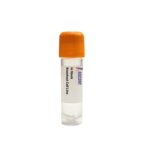
TRAP1 Knockout HK-2 Cell Line

  • Product Type:

    In Stock Cell Lines

The TRAP1 Knockout HK-2 Cell Line offers a CRISPR/Cas9-edited, loss-of-function model in the HK-2 human kidney proximal tubule epithelial cell line. It enables targeted study of the mitochondrial HSP90 chaperone TRAP1, which regulates the mPTP through direct interaction with Cyclophilin D (CypD) and suppresses oxidative stress-induced apoptosis downstream of PINK1 and Akt signaling. This cell model supports applications in acute kidney injury, ischemia?Creperfusion, and renal cell carcinoma research. It is compatible with assays for mitochondrial membrane potential, ROS detection, apoptosis markers, and CypD co-immunoprecipitation, providing a robust platform to dissect mitochondrial cytoprotection and screen for nephroprotective or anticancer compounds.

Inquire Now

In stock

Ships next business day


Ask a Question

Shipping Info:

Cryopreserved in vials and shipped on dry ice


Disclaimer:

For Research Use Only

  • Characteristics

    Host Cell

    HK-2

    Gene Name

    Trap1

    Gene Identifier

    NCBI Gene ID 10131

    Storage

    Liquid nitrogen (LN2)

  • Culture Conditions

    Temperature

    37°C

    Atmosphere

    5% CO₂

  • Quality Control

    Sterility testing

    The bacterial, yeast, and fungi are not detected in these cells by daily monitor.

    Mycoplasma testing

    Negative for mycoplasma through PCR analysis

  • Disclaimer

    Intended Use

    This product is intended for laboratory in vitro use only. lt is not intended for diagnostic, therapeutic, or clinical applications.

    Disclaimer

    Ascent Research endeavors to provide accurate and up-to-date product information. However, no warranties or representations are made regarding its completeness or reliability. References to scientific literature and patents are for informational purposes only, and the customer assumes sole responsibility for verifying their accuracy.

    By accepting this product, the customer acknowledges and agrees to assume all risks associated with its receipt, handling, storage, disposal, and use, including compliance with all applicable safety and environmental regulations and precautions. Relevant laws, regulations, and ethical guidelines must be followed in conducting any research, modifications, or derivatives derived from this product.

    This product is provided "AS IS", and except as expressly stated herein, Ascent Research disclaims all other warranties, express or implied. Under no circumstances shall Ascent Research, its affiliates, or representatives be liable for indirect, incidental, consequential, or punitive damages arising from the use of this material. While Ascent Research employs rigorous quality control measures, we shall not be held responsible for damages resulting from misidentification or misinterpretation of the provided materials.

Description

The TRAP1 Knockout HK-2 Cell Line is a CRISPR/Cas9-edited knockout cell line featuring targeted disruption of the TRAP1 gene in the HK-2 human proximal tubule epithelial background. This loss-of-function model enables dissection of TRAP1-mediated mitochondrial chaperone functions and cytoprotective mechanisms.

HK-2 is an immortalized cell line originating from normal adult human kidney proximal tubule epithelium. It retains characteristic features including polarized architecture, transporter expression, and metabolic activities, making it a standard in vitro system for renal drug disposition, toxicity screening, and mechanistic studies of proximal tubule function.

TRAP1, a mitochondrial HSP90 paralog, operates centrally in mitochondrial stress responses. It is phosphorylated and stabilized by PINK1, activated downstream of the PI3K/Akt pathway, and transcriptionally induced by HSF1 under oxidative conditions. TRAP1 directly binds Cyclophilin D (CypD), preventing mPTP opening and thereby preserving membrane potential, blocking cytochrome c release, and inhibiting caspase-3 activation. TRAP1 also restrains succinate dehydrogenase complex II activity to reduce ROS generation. It associates with cochaperones p23 and Aha1, and is cleaved by HTRA2/Omi protease, illustrating dynamic regulatory inputs.

In renal proximal tubule cells, high mitochondrial activity exposes them to constant oxidative risk. TRAP1 knockout disrupts this protective chaperone network, lifting inhibition on CypD-mediated mPTP opening and increasing vulnerability to ROS-triggered apoptosis. This mimics the mitochondrial failure seen in acute kidney injury, cisplatin nephrotoxicity, and renal carcinoma, positioning the model as a valuable tool to study redox balance and mitochondrial quality control in kidney epithelia.

Applications range from investigating mitochondrial dysfunction in ischemia?Creperfusion and nephrotoxic injury to screening nephroprotective agents that target the PINK1-TRAP1-CypD axis. The knockout line also facilitates cancer research, where TRAP1??s pro-survival role may be explored in renal cell carcinoma. Compatible assays include JC-1 membrane potential measurements, H2DCFDA ROS detection, caspase-3 and PARP immunoblotting, cytochrome c release immunofluorescence, and ATP bioluminescence to assess metabolic health. Co-immunoprecipitation and RT-qPCR for BAX, BCL2, and SOD2 further validate pathway engagement. For further information, contact Ascent Research.


Reset Password

    Reach Us Questions? Click Me Here!

    Fill out the form below and a member of our team will contact you shortly!

    *Required field


      Reach Us

      Fill out the form below and a member of our team will contact you shortly!

      *Required field

      Product Inquiry (Optional)