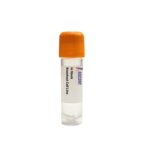
The Trim21 Knockout BV-2 Cell Line is a CRISPR/Cas9-engineered murine microglial cell line carrying a targeted disruption of the Trim21 gene. This stable knockout model abolishes expression of the E3 ubiquitin ligase Trim21, providing a clean loss-of-function system for dissecting Trim21-dependent immune mechanisms. Offered as a ready-to-use cell line, it streamlines experimental designs focused on intracellular antibody-mediated neutralization and innate signaling pathways in a CNS-relevant context.
BV-2 cells are an immortalized microglial line derived from C57BL/6 mice, which retain hallmark functions of primary microglia including phagocytosis and cytokine secretion. They are widely employed to study neuroinflammatory responses and immune surveillance in the central nervous system. This genetic background is particularly suitable for examining Trim21 function because microglia rely on pattern recognition and ubiquitin-mediated signaling to coordinate antiviral defense and inflammatory gene transcription.
Trim21 encodes a ubiquitin ligase that operates at the interface of antiviral effector pathways and inflammatory signal transduction. Its expression is induced by interferon-gamma and type I interferons via STAT1 and IRF1. The protein recognizes antibody-coated viruses and promotes their destruction through proteasomal and autophagic degradation. Trim21 also engages HSP90, 14-3-3 proteins, and the E2 enzyme UBE2D to modulate ubiquitination cascades. Key downstream targets include IRF3 and IRF7, and its activity influences NF-??B signaling through interactions with components such as IKBKB and the p50/p65 subunits. These interactions collectively determine the magnitude and duration of innate immune responses.
In microglia, Trim21 is poised to regulate responses to neurotropic viruses and inflammatory stimuli. Disrupting Trim21 in BV-2 cells allows direct assessment of how ubiquitin-dependent control of NF-??B and interferon pathways shapes microglial activation. This model is particularly relevant for investigating autoimmune conditions like Sj?gren??s syndrome and systemic lupus erythematosus, where microglial dysregulation contributes to central nervous system pathology. The knockout also provides a platform to study mechanisms underlying the cell-autonomous antibody-dependent neutralization of pathogens within brain-resident immune cells.
The Trim21 Knockout BV-2 Cell Line supports a broad range of experimental workflows, including RT-qPCR profiling of interferon-stimulated genes, ELISA-based quantification of secreted cytokines, and NF-??B luciferase reporter assays. Co-immunoprecipitation and Western blotting facilitate the biochemical characterization of Trim21 interaction networks and ubiquitination events, while phagocytosis assays probe functional microglial responses. Collectively, these applications advance research in microglial innate immunity, antiviral mechanisms, and autoimmune disease modeling. For additional technical details, please contact Ascent Research.