Quick Order Cart

Cat. No. ARG44203

TUBB4A Knockout DU145 Cell Line

  • Product Type:

    In Stock Cell Lines

  • Species:

    Homo sapiens (Human)

  • Tissue Source:

    Prostate

  • Disease:

    Carcinoma

The TUBB4A Knockout DU145 Cell Line is a CRISPR/Cas9-edited knockout model derived from androgen-independent prostate cancer cells, targeting the TUBB4A gene encoding tubulin beta-4A. This cell line enables functional studies of microtubule dynamics, mitotic spindle regulation, and cell migration in a metastatic prostate carcinoma background. TUBB4A interacts with microtubule-associated proteins (e.g., MAP2, tau) and motor complexes (kinesin-5, dynein) to control intracellular transport and division. Key applications include taxane sensitivity testing, mitotic progression analysis, migration assays, and investigation of beta-tubulin isotype-specific roles in tumorigenesis.

Inquire Now

In stock

Ships next business day


Ask a Question

Shipping Info:

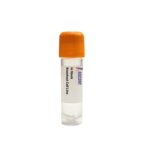
Cryopreserved in vials and shipped on dry ice


Disclaimer:

For Research Use Only

  • Characteristics

    Host Cell

    DU145

    Sex of Donor

    Male

    Age

    69 years

    Derived From Site

    Metastatic; Brain

    Gene Name

    TUBB4A

    Gene Identifier

    NCBI Gene ID 10382

    Morphology

    Epithelial-like

    Growth Mode

    Adherent

    Storage

    Liquid nitrogen (LN2)

  • Culture Conditions

    Temperature

    37°C

    Atmosphere

    5% COâ‚‚

  • Quality Control

    Sterility testing

    The bacterial, yeast, and fungi are not detected in these cells by daily monitor.

    Mycoplasma testing

    Negative for mycoplasma through PCR analysis

  • Disclaimer

    Intended Use

    This product is intended for laboratory in vitro use only. It is not intended for diagnostic, therapeutic, or clinical applications.

    Disclaimer

    Ascent Research endeavors to provide accurate and up-to-date product information. However, no warranties or representations are made regarding its completeness or reliability. References to scientific literature and patents are for informational purposes only, and the customer assumes sole responsibility for verifying their accuracy.

    By accepting this product, the customer acknowledges and agrees to assume all risks associated with its receipt, handling, storage, disposal, and use, including compliance with all applicable safety and environmental regulations and precautions. Relevant laws, regulations, and ethical guidelines must be followed in conducting any research, modifications, or derivatives derived from this product.

    This product is provided "AS IS", and except as expressly stated herein, Ascent Research disclaims all other warranties, express or implied. Under no circumstances shall Ascent Research, its affiliates, or representatives be liable for indirect, incidental, consequential, or punitive damages arising from the use of this material. While Ascent Research employs rigorous quality control measures, we shall not be held responsible for damages resulting from misidentification or misinterpretation of the provided materials.

Description

The TUBB4A Knockout DU145 Cell Line is a CRISPR/Cas9-edited human cell line derived from DU145 prostate carcinoma cells, featuring targeted disruption of TUBB4A. This gene encodes tubulin beta-4A chain, a core component of microtubules critical for mitosis, intracellular transport, and cell migration. The knockout model enables loss-of-function analysis of beta-tubulin isotype-specific functions in an androgen-independent prostate cancer background.

DU145 is a well-characterized, androgen-independent prostate cancer cell line originally isolated from a brain metastasis. It lacks functional androgen receptor signaling and exhibits a highly aggressive, metastatic phenotype. This line is widely used to study advanced prostate cancer mechanisms, including migration, invasion, and drug resistance, making it an ideal host for investigating microtubule-related processes.

TUBB4A heterodimerizes with alpha-tubulin to form microtubules, whose dynamics are modulated by microtubule-associated proteins (MAPs) like MAP1, MAP2, and tau, plus motor proteins including kinesin-5 and the dynein-dynactin complex. Plus-end tracking proteins (+TIPs) such as EB1 and CLIP-170 regulate stability. Activity is controlled downstream of cell cycle machinery, MAP kinase cascades, and p53, and is crucial for mitotic spindle assembly orchestrated by Aurora A kinase and PLK1. Tubulin folding cofactors TBCA?CE assist biogenesis. Disruption undermines spindle formation, chromosome segregation, trafficking, and migration.

In DU145 cells, TUBB4A knockout creates a model to examine microtubule-dependent drivers of tumor aggressiveness. Altered tubulin isotype expression can influence sensitivity to taxanes, and loss of TUBB4A is expected to impair mitosis and reduce migration. This system is relevant for oncology research into microtubule organization and therapeutic resistance, though TUBB4A mutations are also linked to leukodystrophy and dystonia.

Applications include western blotting and immunofluorescence to confirm knockout and visualize microtubule architecture, flow cytometry for cell cycle and apoptosis analysis, and migration/invasion assays to evaluate metastatic behavior. RNA-seq can profile transcriptomic changes, while co-immunoprecipitation maps altered tubulin interactomes. Drug sensitivity testing with microtubule-targeting agents (e.g., paclitaxel) aids in identifying synthetic lethal interactions. This model supports studies of beta-tubulin isotypes in cancer and novel target discovery. For further details, contact Ascent Research.


Reset Password

    Reach Us Questions? Click Me Here!

    Fill out the form below and a member of our team will contact you shortly!

    *Required field


      Reach Us

      Fill out the form below and a member of our team will contact you shortly!

      *Required field

      Product Inquiry (Optional)