Quick Order Cart

Cat. No. ARG44215

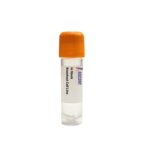
VSIR Knockout Jurkat E6.1 Cell Line

  • Product Type:

    In Stock Cell Lines

  • Species:

    Homo sapiens (Human)

  • Tissue Source:

    Blood (peripheral blood)

  • Disease:

    Acute lymphoblastic leukemia (ALL)

CRISPR/Cas9-edited knockout cell line targeting the VSIR gene (VISTA) in the Jurkat E6.1 human T lymphoblast background. This loss-of-function model abrogates expression of the V-domain Ig suppressor of T cell activation, a negative immune checkpoint receptor that inhibits T cell proliferation and cytokine production by recruiting SHP-1/SHP-2 phosphatases to dephosphorylate ZAP70 and LAT downstream of TCR engagement. Ideal for dissecting VISTA-dependent signaling networks, screening checkpoint-blocking antibodies, and validating targets in cancer immunotherapy and autoimmune disease research. Facilitates flow cytometric analysis of T cell activation markers, IL-2 and IFN-?? secretion assays, and phospho-signaling studies under controlled anti-CD3/CD28 stimulation.

Inquire Now

In stock

Ships next business day


Ask a Question

Shipping Info:

Cryopreserved in vials and shipped on dry ice


Disclaimer:

For Research Use Only

  • Characteristics

    Host Cell

    Jurkat E6.1

    Sex of Donor

    Male

    Derived From Site

    In situ; Peripheral blood

    Gene Name

    VSIR

    Gene Identifier

    NCBI Gene ID 64115

    Growth Mode

    Suspension

    Storage

    Liquid nitrogen (LN2)

  • Culture Conditions

    Temperature

    37°C

    Atmosphere

    5% COâ‚‚

  • Quality Control

    Sterility testing

    The bacterial, yeast, and fungi are not detected in these cells by daily monitor.

    Mycoplasma testing

    Negative for mycoplasma through PCR analysis

  • Disclaimer

    Intended Use

    This product is intended for laboratory in vitro use only. It is not intended for diagnostic, therapeutic, or clinical applications.

    Disclaimer

    Ascent Research endeavors to provide accurate and up-to-date product information. However, no warranties or representations are made regarding its completeness or reliability. References to scientific literature and patents are for informational purposes only, and the customer assumes sole responsibility for verifying their accuracy.

    By accepting this product, the customer acknowledges and agrees to assume all risks associated with its receipt, handling, storage, disposal, and use, including compliance with all applicable safety and environmental regulations and precautions. Relevant laws, regulations, and ethical guidelines must be followed in conducting any research, modifications, or derivatives derived from this product.

    This product is provided "AS IS", and except as expressly stated herein, Ascent Research disclaims all other warranties, express or implied. Under no circumstances shall Ascent Research, its affiliates, or representatives be liable for indirect, incidental, consequential, or punitive damages arising from the use of this material. While Ascent Research employs rigorous quality control measures, we shall not be held responsible for damages resulting from misidentification or misinterpretation of the provided materials.

Description

The VSIR Knockout Jurkat E6.1 Cell Line is a CRISPR/Cas9-edited knockout cell line engineered to disrupt the VSIR gene (V-domain Ig suppressor of T cell activation) via targeted gene disruption in the Jurkat E6.1 human T lymphoblast host. This loss-of-function model enables precise dissection of VISTA-mediated immune checkpoint regulation without background expression. The knockout cell line is provided as a living, proliferative culture and serves as a defined experimental tool for examining the molecular and cellular consequences of VSIR ablation in a T cell context.

The host Jurkat E6.1 cell line, derived from an acute T cell leukemia patient, is an immortalized CD4+ T lymphoblast cell line widely used to model T cell receptor (TCR) signaling, cytokine production, and activation dynamics. These cells recapitulate key aspects of T cell biology including CD3/CD28-dependent signal transduction, NFAT and NF-??B activation, and IL-2 secretion, making them an ideal platform for immune checkpoint studies. The Jurkat E6.1 background has been extensively characterized in the literature for its responsiveness to pharmacological inhibitors and monoclonal antibodies targeting co-inhibitory receptors.

VSIR encodes VISTA, a type I transmembrane protein of the B7 family that acts as a negative regulator of T cell function. Mechanistically, VISTA engagement by its ligand VSIG-3 or homophilic interactions recruits the tyrosine phosphatases SHP-1 and SHP-2, which dephosphorylate proximal TCR signaling components including ZAP70 and LAT. This phosphatase activity attenuates downstream cascades involving ERK1/2, NF-??B, and NFAT, ultimately suppressing IL-2 and IFN-?? production and limiting T cell proliferation. Upstream regulators of VSIR expression include TCR stimulation, cytokine signals such as IL-2 and IFN-??, hypoxia via HIF-1??, and the p53 tumor suppressor, embedding VISTA within a network connecting immune activation, metabolic stress, and apoptotic pathways.

In the Jurkat E6.1 model, elimination of VSIR relieves this inhibitory constraint, permitting enhanced TCR-proximal phosphorylation events and amplified downstream transcriptional responses. This knockout cell line is thus particularly valuable for dissecting VISTA-dependent control of T cell activation thresholds and for identifying signaling nodes modulated by SHP-1/2 recruitment. Researchers can compare anti-CD3/CD28-stimulated knockout and wild-type cells to quantify changes in ZAP70 and LAT phosphorylation status, ERK activation kinetics, and NFAT-driven reporter expression. The model also facilitates co-immunoprecipitation studies to examine altered SHP-1/2 association with the TCR signalosome in the absence of VISTA.

Typical applications include mechanistic investigations of VISTA-mediated immune checkpoint signaling in T cells, screening and functional evaluation of VISTA-blocking antibodies or small-molecule inhibitors, target validation in cancer immunotherapy programs, and studies of autoimmune disease pathology where VISTA dysregulation is implicated. Key experimental readouts encompass flow cytometric profiling of T cell activation markers (CD69, CD25), ELISA-based quantification of IL-2 and IFN-?? secretion, CFSE proliferation assays, and Western blot analysis of phospho-ZAP70 and phospho-ERK levels. For further details or customized experimental support, please contact Ascent Research.


Reset Password

    Reach Us Questions? Click Me Here!

    Fill out the form below and a member of our team will contact you shortly!

    *Required field


      Reach Us

      Fill out the form below and a member of our team will contact you shortly!

      *Required field

      Product Inquiry (Optional)