Quick Order Cart

Cat. No. ARG44226

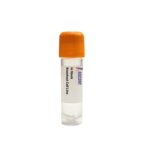
YTHDF1 Knockout KYSE-140 Cell Line

  • Product Type:

    In Stock Cell Lines

  • Species:

    Homo sapiens (Human)

  • Tissue Source:

    Esophagus

  • Disease:

    Squamous cell carcinoma

The YTHDF1 Knockout KYSE-140 Cell Line is a CRISPR/Cas9-edited loss-of-function model in human esophageal squamous cell carcinoma. It enables targeted disruption of the m6A reader YTHDF1, which recognizes N6-methyladenosine on mRNAs and recruits eIF3 to enhance translation of key oncogenic effectors such as ??-catenin (CTNNB1) and c-Myc (MYC). This product is ideal for dissecting epitranscriptomic pathways in ESCC, screening m6A-targeting compounds, and identifying YTHDF1 translational targets. Compatible assays include Western blotting, RIP, polysome profiling, and cell-based functional assays. For further details, please contact Ascent Research.

Inquire Now

In stock

Ships next business day


Ask a Question

Shipping Info:

Cryopreserved in vials and shipped on dry ice


Disclaimer:

For Research Use Only

  • Characteristics

    Host Cell

    KYSE-140

    Age

    54 years

    Derived From Site

    In situ; Esophagus

    Gene Name

    Ythdf1

    Gene Identifier

    NCBI Gene ID 54915

    Morphology

    Epithelial-like

    Growth Mode

    Adherent

    Storage

    Liquid nitrogen (LN2)

  • Culture Conditions

    Temperature

    37°C

    Atmosphere

    5% CO₂

  • Quality Control

    Sterility testing

    The bacterial, yeast, and fungi are not detected in these cells by daily monitor.

    Mycoplasma testing

    Negative for mycoplasma through PCR analysis

  • Disclaimer

    Intended Use

    This product is intended for laboratory in vitro use only. lt is not intended for diagnostic, therapeutic, or clinical applications.

    Disclaimer

    Ascent Research endeavors to provide accurate and up-to-date product information. However, no warranties or representations are made regarding its completeness or reliability. References to scientific literature and patents are for informational purposes only, and the customer assumes sole responsibility for verifying their accuracy.

    By accepting this product, the customer acknowledges and agrees to assume all risks associated with its receipt, handling, storage, disposal, and use, including compliance with all applicable safety and environmental regulations and precautions. Relevant laws, regulations, and ethical guidelines must be followed in conducting any research, modifications, or derivatives derived from this product.

    This product is provided "AS IS", and except as expressly stated herein, Ascent Research disclaims all other warranties, express or implied. Under no circumstances shall Ascent Research, its affiliates, or representatives be liable for indirect, incidental, consequential, or punitive damages arising from the use of this material. While Ascent Research employs rigorous quality control measures, we shall not be held responsible for damages resulting from misidentification or misinterpretation of the provided materials.

Description

The YTHDF1 Knockout KYSE-140 Cell Line is a CRISPR/Cas9-edited knockout cell line engineered for targeted disruption of the YTHDF1 gene in human esophageal squamous epithelial cells. This model provides a powerful loss-of-function system for investigating the role of N6-methyladenosine (m6A) reader proteins in cancer biology. The cell line is offered as a ready-to-use in vitro tool, enabling researchers to study the functional consequences of abrogating YTHDF1-mediated translational regulation without the need for transient knockdown approaches.

The parental KYSE-140 cell line originates from a poorly differentiated esophageal squamous cell carcinoma (ESCC) derived from a Japanese male patient. As a well-characterized model of ESCC, KYSE-140 cells retain key histopathological and molecular features of aggressive squamous cell carcinoma, including maintained epithelial morphology and relevant oncogenic signaling networks. This cell line is widely employed in preclinical research to explore disease mechanisms and evaluate therapeutic strategies for esophageal cancer.

YTHDF1 functions as a cytoplasmic m6A reader protein that selectively recognizes m6A-modified mRNAs and recruits the translation initiation factor eIF3 to enhance cap-dependent translation. Its activity is regulated by m6A methyltransferase complexes containing METTL3, METTL14, and WTAP, and by demethylases such as FTO and ALKBH5. Upon binding m6A, YTHDF1 interacts with eIF3, poly(A)-binding protein PABPC1, and ribosomal subunits to promote efficient translation of target transcripts. Key downstream targets include CTNNB1 (??-catenin), MYC (c-Myc), SNAI1 (Snail), TCF7L2, and CCND1, which are critical effectors in pathways controlling proliferation, epithelial-mesenchymal transition (EMT), and metastasis. Through this mechanism, YTHDF1 integrates epitranscriptomic signals with oncogenic outputs, including Wnt/??-catenin, PI3K/AKT, and Hippo signaling networks.

In esophageal squamous cell carcinoma, YTHDF1 overexpression is frequently associated with enhanced translation of oncogenic mRNAs, driving tumor progression and poor prognosis. Disruption of YTHDF1 in the KYSE-140 background enables direct assessment of how m6A-dependent translational control contributes to ESCC pathogenesis. This knockout cell line serves as an ideal platform to investigate the dependency of ESCC cells on YTHDF1-mediated gene expression, and to evaluate the therapeutic potential of targeting the m6A machinery in this malignancy.

The YTHDF1 Knockout KYSE-140 Cell Line supports a broad range of functional studies. Typical applications include elucidation of m6A epitranscriptomic regulation in ESCC, systematic identification of YTHDF1 target mRNAs via RIP-seq or polysome profiling, and screening of small-molecule inhibitors targeting m6A writers, readers, or erasers. Compatible downstream assays include Western blotting and RT-qPCR for analyzing downstream protein and mRNA levels, m6A dot blot for global methylation assessment, cell proliferation assays (CCK-8/MTS), transwell migration and invasion assays, apoptosis assays (Annexin V/7-AAD), and in vivo xenograft tumor growth models. For additional information, please contact Ascent Research.


Reset Password

    Reach Us Questions? Click Me Here!

    Fill out the form below and a member of our team will contact you shortly!

    *Required field


      Reach Us

      Fill out the form below and a member of our team will contact you shortly!

      *Required field

      Product Inquiry (Optional)