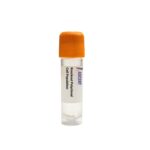
The CDK6 Knockout Raji Polyclonal Cells represent a CRISPR/Cas9-edited polyclonal knockout cell population derived from the Raji human B lymphoblastoid cell line. This product provides targeted disruption of the CDK6 gene, encoding a cyclin-dependent kinase essential for cell cycle progression. As a polyclonal pool, it captures a spectrum of genetic alterations, ensuring a comprehensive loss-of-function model free from clonal bias.
The Raji host line originates from an Epstein-Barr virus-positive Burkitt??s lymphoma and retains features of mature B lymphocytes, including antigen presentation and antibody secretion. These cells proliferate rapidly in culture and exhibit well-defined signaling networks, making them a widely used model for B-cell malignancies. The EBV association further offers insights into viral-oncogene cooperation during lymphomagenesis.
CDK6 functions as the catalytic subunit of the Cyclin D-CDK4/6 holoenzyme, which phosphorylates the retinoblastoma protein (Rb), liberating E2F transcription factors to promote G1/S transition. This activation induces S-phase genes such as Cyclin E, Cyclin A, and PCNA. CDK6 activity is positively regulated by Cyclin D and upstream mitogenic signals including MYC, NF-??B, and the RAS/MAPK cascade, and is counteracted by CDK inhibitors like p16INK4a, p21Cip1, and p27Kip1. The Rb-E2F axis communicates with PI3K/AKT, MAPK/ERK, and JAK-STAT pathways, integrating proliferation and survival cues.
In Raji cells, deletion of CDK6 abrogates Cyclin D-CDK4/6-mediated Rb inactivation, resulting in G1/S cell cycle arrest. This disruption mirrors the therapeutic action of CDK4/6 inhibitors and positions the model as a valuable tool for examining B-cell lymphoma dependence on this kinase. Researchers can explore compensatory signaling and evaluate targeted agents such as palbociclib in a Burkitt lymphoma-relevant context.
Applications include flow cytometric cell cycle analysis, BrdU/EdU incorporation assays, and immunoblotting for CDK6, phospho-Rb, and Cyclin D. The cells also support drug sensitivity profiling, functional studies of the tumor suppressor p16INK4a, gene-editing validation, and transcriptomic analyses via RNA-seq. Apoptosis assays and toxicity evaluations further broaden their utility. For further information, please contact Ascent Research.