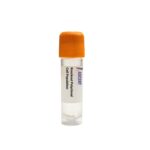
The CRLF1 Knockout Raji Polyclonal Cells represent a CRISPR/Cas9-edited polyclonal knockout cell population derived from the Raji human Burkitt lymphoma B-cell line. This polyclonal population carries targeted disruptions in the CRLF1 gene, which encodes the cytokine receptor-like factor 1 protein. The product is supplied as a heterogeneous pool of edited cells, allowing researchers to study loss-of-function effects in a relevant lymphoid background without the constraints of clonal variation. The knockout model is generated using CRISPR/Cas9-mediated gene disruption, providing a robust platform for investigating CRLF1-dependent signaling mechanisms and cellular responses.
The Raji cell line is a widely used suspension-adapted B lymphocyte model established from a human Burkitt lymphoma patient. Raji cells are Epstein-Barr virus (EBV)-positive and maintain constitutive expression of viral latent genes, which contribute to their transformed phenotype and high proliferative capacity. These features make Raji cells a standard system for lymphoma biology, oncogene cooperation, and B-cell receptor signaling studies. The EBV positivity also provides a unique context for examining viral-host interactions and immune evasion mechanisms. The suspension growth format facilitates large-scale culture, high-throughput screening, and reproducible experimental workflows in immunology and cancer research.
CRLF1 encodes a secreted glycoprotein that forms a heterodimer with cardiotrophin-like cytokine factor 1 (CLCF1) to engage the ciliary neurotrophic factor receptor (CNTFR) complex of CNTFR??, gp130 (IL6ST), and LIFR??. CNTFR activation triggers JAK1/JAK2-mediated phosphorylation of STAT3 and transcription, alongside PI3K-AKT and MAPK/ERK cascades. Downstream targets include STAT3, AKT, ERK, SOCS3, Bcl-2, and c-Fos. CRLF1 expression is induced by inflammatory cytokines (e.g., IL-6, CNTF family) and transcription factors STAT3 and NF-??B. CRLF1 knockout therefore ablates critical convergence points for JAK-STAT3, PI3K-AKT, and MAPK/ERK signaling initiated by the CRLF1-CLCF1-CNTFR axis.
In the Raji B-cell context, CRLF1 knockout dissects the role of CNTFR-associated cytokine signaling in lymphoma biology and immune modulation. Burkitt lymphoma cells exploit cytokine networks for survival and proliferation, with aberrant JAK-STAT3 and MAPK/ERK activity common in lymphomagenesis. The EBV-positive background intertwines viral latent proteins with these same pathways. Eliminating CRLF1 enables investigation of extrinsic cytokine cues and intrinsic oncogenic cooperation driving B-cell malignancy. This system is relevant for studying CRLF1-linked disorders??cold-induced sweating syndrome and Crisponi syndrome??that result from defective CNTFR activation. The polyclonal nature captures editing heterogeneity, reflecting tumor population diversity.
The CRLF1 Knockout Raji Polyclonal Cells are designed for diverse research applications, including neuroimmunology, cytokine signaling dissection, B-cell function analysis in lymphoma, and drug screening for CNTFR pathway modulators. Typical assays include flow cytometry for B-cell markers, Western blotting for phosphorylated STAT3, RT-qPCR for CRLF1, cytokine stimulation, and co-immunoprecipitation of CRLF1-CLCF1. The polyclonal population captures heterogeneous loss-of-function effects, making it suitable for studying cellular heterogeneity in signaling responses. For additional information, please contact Ascent Research.