Security Notice: Please be aware of impersonation attempts using our company name
Legitimate communications from Ascent Research will only come from official @ascentresearch.com email addresses.
Quick Order Cart

Cat. No. ARG1754

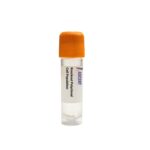
ENO3 Knockout Raji Polyclonal Cells

  • Product Type:

    Polyclonal Cell Population

  • Species:

    Homo sapiens (Human)

  • Tissue Source:

    Bone

  • Disease:

    Burkitt lymphoma

The ENO3 Knockout Raji Polyclonal Cells are a CRISPR/Cas9-edited polyclonal population of Raji B lymphocytes, an EBV-positive Burkitt??s lymphoma line, with targeted disruption of the ENO3 gene. Ablation of beta-enolase eliminates its glycolytic function, blocking conversion of 2-phosphoglycerate to phosphoenolpyruvate and impairing ATP generation, and abrogates its role as a plasminogen receptor involved in actin-mediated migration. This knockout model is suited for cancer metabolism research, glycolysis inhibition studies, enolase biology in immune cells, and drug target validation. Commonly paired assays include Western blotting, glycolytic flux analysis, ATP measurement, cell viability and migration assessments, and Seahorse metabolic profiling.

Inquire Now

In stock

Ships next business day


Ask a Question

Shipping Info:

Cryopreserved in vials and shipped on dry ice


Disclaimer:

For Research Use Only

  • Characteristics

    Host Cell

    Raji

    Cell Type

    B cell line

    Sex of Donor

    Male

    Age

    11 years

    Derived From Site

    In situ; Maxilla

    Gene Name

    ENO3

    Gene Identifier

    NCBI Gene ID 2027

    Morphology

    Lymphoblast-like

    Growth Mode

    Suspension

    Storage

    Liquid nitrogen (LN2)

  • Culture Conditions

    Growth medium

    RPMI 1640

    Supplement(s)

    10% Fetal Bovine Serum, 1% Penicillin-Streptomycin Solution

    Temperature

    37°C

    Atmosphere

    5% CO₂

  • Quality Control

    Sterility testing

    The bacterial, yeast, and fungi are not detected in these cells by daily monitor.

    Mycoplasma testing

    Negative for mycoplasma through PCR analysis

  • Disclaimer

    Intended Use

    This product is intended for laboratory in vitro use only. lt is not intended for diagnostic, therapeutic, or clinical applications.

    Disclaimer

    Ascent Research endeavors to provide accurate and up-to-date product information. However, no warranties or representations are made regarding its completeness or reliability. References to scientific literature and patents are for informational purposes only, and the customer assumes sole responsibility for verifying their accuracy.

    By accepting this product, the customer acknowledges and agrees to assume all risks associated with its receipt, handling, storage, disposal, and use, including compliance with all applicable safety and environmental regulations and precautions. Relevant laws, regulations, and ethical guidelines must be followed in conducting any research, modifications, or derivatives derived from this product.

    This product is provided "AS IS", and except as expressly stated herein, Ascent Research disclaims all other warranties, express or implied. Under no circumstances shall Ascent Research, its affiliates, or representatives be liable for indirect, incidental, consequential, or punitive damages arising from the use of this material. While Ascent Research employs rigorous quality control measures, we shall not be held responsible for damages resulting from misidentification or misinterpretation of the provided materials.

Description

The ENO3 Knockout Raji Polyclonal Cells constitute a CRISPR/Cas9-mediated polyclonal knockout population derived from Raji B lymphocytes, designed to disrupt the ENO3 gene and eliminate beta-enolase expression. This mixed pool of edited cells circumvents clonal artifacts, providing a physiologically relevant loss-of-function model. It serves as a versatile platform for investigating enolase function in lymphocyte biology, metabolic regulation, and disease-related processes.

Raji is an EBV-positive Burkitt??s lymphoma B-cell line extensively used to model humoral immunity, lymphomagenesis, and oncogenic signaling. These suspension cells retain key features of activated B lymphocytes and are highly glycolytic, mirroring the Warburg effect prevalent in many cancers. Their well-characterized background makes them an ideal host for studying metabolic reprogramming and the impact of EN03 disruption on B-cell physiology.

ENO3 encodes beta-enolase, which catalyzes the penultimate glycolytic step, converting 2-phosphoglycerate to phosphoenolpyruvate, a critical reaction linking carbon flux to ATP generation and pyruvate kinase activity. Beyond its enzymatic role, ENO3 acts as a plasminogen receptor, interacting with actin and tubulin to regulate cell migration and invasion. ENO3 expression is transcriptionally governed by MEF2, MyoD, and the hypoxia-responsive HIF1A, integrating developmental and metabolic signals. Disruption of ENO3 halts glycolytic conversion of 2-phosphoglycerate, diminishing phosphoenolpyruvate production, curtailing downstream pyruvate and ATP synthesis, and perturbing metabolic flux. Additionally, loss of plasminogen-binding capacity may impair extracellular matrix interactions and cytoskeletal dynamics.

In Raji B lymphocytes, which rely on aerobic glycolysis for proliferation and effector functions, ENO3 knockout imposes a metabolic bottleneck that limits energy production and biosynthetic pathways. The resulting metabolic stress likely affects antibody production, immune synapse formation, and EBV-driven growth. This model thus enables dissection of glycolysis-dependent processes in B-cell malignancies and immune responses, while the abrogation of non-glycolytic functions offers insight into enolase-mediated cell migration and adhesion. The polyclonal nature preserves cellular heterogeneity, making it suitable for studying population-level metabolic adaptations.

Research applications include cancer metabolism studies, glycolysis inhibition profiling, investigation of enolase function in lymphocytes, and drug target validation. Key assays encompass Western blotting for ENO3, glycolytic flux analysis, ATP quantification, cell viability assessments under metabolic stress, migration assays, and Seahorse metabolic analysis. This polyclonal knockout population enables functional interrogation of ENO3-dependent pathways, evaluation of small-molecule enolase inhibitors, and exploration of synthetic lethal interactions. For further product details, please contact Ascent Research.


Reset Password

    Reach Us Questions? Click Me Here!

    Fill out the form below and a member of our team will contact you shortly!

    *Required field


      Reach Us

      Fill out the form below and a member of our team will contact you shortly!

      *Required field

      Product Inquiry (Optional)