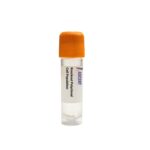
The FAM172A Knockout Raji Polyclonal Cells represent a CRISPR/Cas9-edited polyclonal knockout cell population designed for loss-of-function studies of the FAM172A gene in a human B lymphocyte background. This product provides a heterogeneous pool of Raji cells with targeted disruption of the FAM172A locus, enabling investigation of gene function without the constraints of clonal selection. The polyclonal format preserves the biological diversity of the knockout population, offering a robust model for studying FAM172A-dependent phenotypes in B-cell biology and disease contexts. This knockout resource facilitates research into alternative splicing mechanisms, DNA damage response, and cell cycle regulation.
The Raji cell line, derived from a Burkitt lymphoma patient, is a classic model of human B lymphocytes. Raji cells are positive for Epstein-Barr virus (EBV) and retain characteristics of mature B cells, including surface immunoglobulin expression and the capacity for antigen presentation. Widely used in immunology and oncology research, Raji cells provide a relevant system for investigating B-cell development, antibody production, and adaptive immunity. Their transformed phenotype also makes them valuable for studying the molecular mechanisms underlying B-cell malignancies, such as dysregulated proliferation and apoptosis signaling.
FAM172A encodes a spliceosome-associated protein that functions as a regulator of alternative splicing, with critical roles in mRNA processing, cell cycle control, and the DNA damage response. Mechanistically, FAM172A interacts with core spliceosomal components, including AQR, DHX15, PRPF19, and CDC5L, and associates with snRNP complexes to influence splicing decisions. It is upregulated in response to DNA damage signaling and ER stress, and it operates downstream of the tumor suppressor TP53. FAM172A promotes appropriate splicing of key apoptosis and proliferation regulators; for instance, it modulates alternative splicing of BCL2L1 to produce either the pro-apoptotic BCL-XS or anti-apoptotic BCL-XL isoform, and it regulates the expression of CDKN1A and BAX. Consequently, loss of FAM172A disrupts splicing fidelity, shifting isoform balance and altering cell fate decisions in processes ranging from cell cycle arrest to apoptosis.
In the Raji B-lymphocyte context, FAM172A knockout provides a powerful tool to dissect splicing-dependent networks governing B-cell homeostasis and lymphomagenesis. Associated with intellectual disability, autism spectrum disorder, colorectal cancer, and hepatocellular carcinoma, this model enables cross-disease studies. Loss of FAM172A may affect DNA repair and cell cycle checkpoints, influencing drug sensitivity and oncogenic progression. It also supports studies of adaptive immunity, linking splicing to B-cell receptor signaling and antigen presentation.
Applications include Western blotting, RT-qPCR, and RNA-seq for splicing analysis; flow cytometry with apoptosis and proliferation assays; and co-immunoprecipitation and splicing reporter assays to probe interactions. These cells are suitable for functional genomics, cancer biology, drug target validation, and B-cell development studies. For technical details, contact Ascent Research.