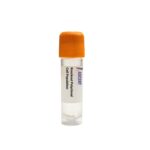
The FAM3A Knockout Raji Polyclonal Cells are a CRISPR/Cas9-edited polyclonal knockout population targeting FAM3A in the human Raji B lymphocyte line. This heterogeneous loss-of-function model, generated without single-cell cloning, captures population-level genetic diversity for the study of FAM3A’s role in immune cell metabolism. The polyclonal format minimizes clonal artifacts and reflects the genomic heterogeneity of bulk knockout populations, providing a robust system for functional genomics.
Raji is a suspension B cell line derived from Burkitt lymphoma, positive for Epstein-Barr virus. These cells maintain key features of antibody production, immune surveillance, and antigen presentation, making them relevant for immunological and metabolic studies. Their active glucose metabolism intersects with FAM3A’s involvement in insulin secretion and energy regulation, establishing a suitable context for knockout studies.
FAM3A, a cytokine-like protein, enhances glucose-stimulated insulin secretion in pancreatic ??-cells via PI3K/AKT pathway activation. Its expression is upregulated by glucose and insulin, with transcriptional regulation by PDX-1 and MafA. Downstream, it promotes GLUT2 translocation and insulin exocytosis. Although its receptor is not fully characterized, FAM3A may interact with secretory machinery components. In B lymphocytes, its role is less understood, but it likely modulates glucose utilization and cytokine production.
This knockout enables dissection of FAM3A’s function in B cell metabolism, particularly how insulin-related signaling influences glucose usage in immune cells. The defined link between FAM3A, PI3K/AKT, and GLUT2 makes the model valuable for studying metabolic control of B cell activation and antibody responses. It is also pertinent to type 2 diabetes and metabolic syndrome research, where immune dysregulation is a factor, and may serve as a platform for understanding metabolic vulnerabilities in lymphoma.
Researchers can employ this model in Western blotting and RT-qPCR to confirm FAM3A disruption and assess downstream targets like AKT and GLUT2. Metabolic flux analysis using Seahorse technology, along with flow cytometry and cytokine bead arrays, enables comprehensive functional profiling. Applications include drug screening for PI3K/AKT inhibitors, metabolic disease modeling, and investigation of cytokine signaling networks. Apoptosis and proliferation assays further extend its utility. For additional details, contact Ascent Research.