Security Notice: Please be aware of impersonation attempts using our company name
Legitimate communications from Ascent Research will only come from official @ascentresearch.com email addresses.
Quick Order Cart

Cat. No. ARG1967

GBA2 Knockout Raji Polyclonal Cells

  • Product Type:

    Polyclonal Cell Population

  • Species:

    Homo sapiens (Human)

  • Tissue Source:

    Bone

  • Disease:

    Burkitt lymphoma

The GBA2 Knockout Raji Polyclonal Cells are a CRISPR/Cas9-edited polyclonal Raji B-lymphocyte population carrying a loss-of-function disruption of the non-lysosomal glucosylceramidase GBA2. This enzyme hydrolyzes glucosylceramide to ceramide and glucose, positioning it at the nexus of sphingolipid metabolism and ceramide homeostasis. Knockout of GBA2 in Raji cells causes glucosylceramide buildup and dysregulated ceramide signaling, influencing lipid raft organization, apoptosis, and proliferation. Interacting with ceramide synthase and the GBA1 glucocerebrosidase, the model enables investigation of sphingolipid pathways in B-cell lymphoma, lysosomal storage disorders, and ceramide-mediated cell death. Key applications include lipidomics, apoptosis assays, and drug target validation.

Inquire Now

In stock

Ships next business day


Ask a Question

Shipping Info:

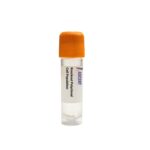
Cryopreserved in vials and shipped on dry ice


Disclaimer:

For Research Use Only

  • Characteristics

    Host Cell

    Raji

    Cell Type

    B cell line

    Sex of Donor

    Male

    Age

    11 years

    Derived From Site

    In situ; Maxilla

    Gene Name

    GBA2

    Gene Identifier

    NCBI Gene ID 57704

    Morphology

    Lymphoblast-like

    Growth Mode

    Suspension

    Storage

    Liquid nitrogen (LN2)

  • Culture Conditions

    Growth medium

    RPMI 1640

    Supplement(s)

    10% Fetal Bovine Serum, 1% Penicillin-Streptomycin Solution

    Temperature

    37°C

    Atmosphere

    5% CO₂

  • Quality Control

    Sterility testing

    The bacterial, yeast, and fungi are not detected in these cells by daily monitor.

    Mycoplasma testing

    Negative for mycoplasma through PCR analysis

  • Disclaimer

    Intended Use

    This product is intended for laboratory in vitro use only. lt is not intended for diagnostic, therapeutic, or clinical applications.

    Disclaimer

    Ascent Research endeavors to provide accurate and up-to-date product information. However, no warranties or representations are made regarding its completeness or reliability. References to scientific literature and patents are for informational purposes only, and the customer assumes sole responsibility for verifying their accuracy.

    By accepting this product, the customer acknowledges and agrees to assume all risks associated with its receipt, handling, storage, disposal, and use, including compliance with all applicable safety and environmental regulations and precautions. Relevant laws, regulations, and ethical guidelines must be followed in conducting any research, modifications, or derivatives derived from this product.

    This product is provided "AS IS", and except as expressly stated herein, Ascent Research disclaims all other warranties, express or implied. Under no circumstances shall Ascent Research, its affiliates, or representatives be liable for indirect, incidental, consequential, or punitive damages arising from the use of this material. While Ascent Research employs rigorous quality control measures, we shall not be held responsible for damages resulting from misidentification or misinterpretation of the provided materials.

Description

The GBA2 Knockout Raji Polyclonal Cells comprise a CRISPR/Cas9-engineered population of Raji B lymphocytes with targeted disruption of the GBA2 gene. This polyclonal knockout pool provides a robust loss-of-function model for investigating non-lysosomal glucosylceramidase activity, enabling direct interrogation of GBA2-dependent sphingolipid metabolic pathways without the confounding presence of wild-type alleles in the bulk cell population. The cells are delivered as a ready-to-use suspension culture suitable for downstream phenotypic, biochemical, and pharmacological analyses.

The Raji host cell line is a human B lymphoblastoid line derived from Burkitt??s lymphoma. These EBV-positive cells retain immunoglobulin expression and antigen-presentation capacity, and they proliferate rapidly in suspension culture. Widely used in immunology and hematological malignancy research, their well-characterized nature also makes them valuable for lipid membrane trafficking studies, especially given the relevance of glycosphingolipids to B-cell receptor signaling and lipid raft biology.

GBA2 encodes a non-lysosomal glucosylceramidase that hydrolyzes glucosylceramide into ceramide and glucose at the cytosolic face of membranes, operating alongside the lysosomal acid ??-glucosidase GBA1. The enzyme is regulated by ceramide levels, glucosylceramide accumulation, inflammatory cytokines, and lipid stress signals. Its activity impinges on downstream processes including ceramide-mediated apoptosis, mitochondrial function, and autophagy flux. GBA2 cooperates with molecular partners such as ceramide synthase, sphingomyelin synthase, and saposin C, and is embedded in a network of sphingolipid metabolites??ceramide, glucosylceramide, sphingomyelin, acid/neutral sphingomyelinases, ceramide-1-phosphate, and sphingosine-1-phosphate??that collectively dictate cell fate. Consequently, GBA2 disruption deranges this signaling and metabolic equilibrium.

In the Raji B-cell context, GBA2 deletion results in a unique model where non-lysosomal glucosylceramide cleavage is eliminated, causing substrate accumulation and redirection of ceramide flux. This metabolic alteration directly impacts plasma membrane lipid raft composition, potentially modulating B-cell receptor clustering, antigen presentation efficiency, and downstream proliferative or apoptotic responses. Because EBV-driven lymphomagenesis involves sphingolipid-mediated survival pathways, the GBA2 polyclonal knockout offers a physiologically relevant system to dissect how glucosylceramide and ceramide species influence lymphoma cell biology. Moreover, the interplay between GBA2 and the related GBA1 enzyme, which is deficient in Gaucher disease, can be systematically explored in this immune cell background to reveal compensatory or synergistic mechanisms.

This polyclonal knockout product is suited for lipidomic profiling via mass spectrometry to track glucosylceramide and ceramide species, glucosylceramidase activity assays, and quantitative western blotting for sphingolipid enzymes. Flow cytometry can detect ceramide-mediated apoptosis, fluorescence microscopy can visualize lipid distribution, and RT-qPCR can assess metabolic gene expression. Such applications support drug target validation, lysosomal storage disorder modeling, and B-cell malignancy research. For technical details, contact Ascent Research.


Reset Password

    Reach Us Questions? Click Me Here!

    Fill out the form below and a member of our team will contact you shortly!

    *Required field


      Reach Us

      Fill out the form below and a member of our team will contact you shortly!

      *Required field

      Product Inquiry (Optional)