Security Notice: Please be aware of impersonation attempts using our company name
Legitimate communications from Ascent Research will only come from official @ascentresearch.com email addresses.
Quick Order Cart

Cat. No. ARG1851

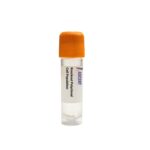
LGMN Knockout Raji Polyclonal Cells

  • Product Type:

    Polyclonal Cell Population

  • Species:

    Homo sapiens (Human)

  • Tissue Source:

    Bone

  • Disease:

    Burkitt lymphoma

CRISPR/Cas9-edited polyclonal knockout Raji B cells targeting LGMN, the gene encoding legumain, a lysosomal asparaginyl endopeptidase essential for MHC class II antigen processing. This model enables loss-of-function studies in a Burkitt lymphoma-derived, Epstein-Barr virus-positive B-lymphocyte background, where legumain activity is integrated with upstream regulators TFEB, STAT3, and Notch signaling, and interacts with cathepsins and integrin ??v??3 to process downstream targets such as MMP2 and fibronectin. Ideal for investigating antigen presentation, endolysosomal proteolysis, and protease contributions to B-cell lymphoma biology, the polyclonal knockout pool supports assays like MHC class II presentation analysis, fluorogenic activity measurements, immunoblotting, flow cytometry, and migration/invasion tests for tumor microenvironment research.

Inquire Now

In stock

Ships next business day


Ask a Question

Shipping Info:

Cryopreserved in vials and shipped on dry ice


Disclaimer:

For Research Use Only

  • Characteristics

    Host Cell

    Raji

    Cell Type

    B cell line

    Sex of Donor

    Male

    Age

    11 years

    Derived From Site

    In situ; Maxilla

    Gene Name

    LGMN

    Gene Identifier

    NCBI Gene ID 5641

    Morphology

    Lymphoblast-like

    Growth Mode

    Suspension

    Storage

    Liquid nitrogen (LN2)

  • Culture Conditions

    Growth medium

    RPMI 1640

    Supplement(s)

    10% Fetal Bovine Serum, 1% Penicillin-Streptomycin Solution

    Temperature

    37°C

    Atmosphere

    5% CO₂

  • Quality Control

    Sterility testing

    The bacterial, yeast, and fungi are not detected in these cells by daily monitor.

    Mycoplasma testing

    Negative for mycoplasma through PCR analysis

  • Disclaimer

    Intended Use

    This product is intended for laboratory in vitro use only. lt is not intended for diagnostic, therapeutic, or clinical applications.

    Disclaimer

    Ascent Research endeavors to provide accurate and up-to-date product information. However, no warranties or representations are made regarding its completeness or reliability. References to scientific literature and patents are for informational purposes only, and the customer assumes sole responsibility for verifying their accuracy.

    By accepting this product, the customer acknowledges and agrees to assume all risks associated with its receipt, handling, storage, disposal, and use, including compliance with all applicable safety and environmental regulations and precautions. Relevant laws, regulations, and ethical guidelines must be followed in conducting any research, modifications, or derivatives derived from this product.

    This product is provided "AS IS", and except as expressly stated herein, Ascent Research disclaims all other warranties, express or implied. Under no circumstances shall Ascent Research, its affiliates, or representatives be liable for indirect, incidental, consequential, or punitive damages arising from the use of this material. While Ascent Research employs rigorous quality control measures, we shall not be held responsible for damages resulting from misidentification or misinterpretation of the provided materials.

Description

The LGMN Knockout Raji Polyclonal Cells comprise a heterogeneous population of Raji B lymphocytes genetically modified via CRISPR/Cas9-mediated disruption of the LGMN gene, which encodes the lysosomal cysteine protease legumain. Delivered as a polyclonal knockout cell pool, this model provides a physiologically relevant system to investigate loss-of-function effects without clonal selection, preserving genomic diversity that may influence endolysosomal function and antigen presentation pathways. The product is designed for researchers requiring a robust, non-monoclonal knockout background for comparative biochemical, immunological, and cell-based assays in a human B-cell lineage context.

Derived from an Epstein-Barr virus-positive Burkitt lymphoma patient, the Raji cell line is a widely characterized B-lymphocyte model exhibiting rapid proliferation and retained features of germinal center B cells, including surface immunoglobulin expression and the capacity for internalizing and processing exogenous antigens. Its EBV-driven immortalization maintains active endocytic trafficking and constitutive MHC class II expression, making it particularly advantageous for dissecting antigen processing machinery. These cells express essential components of the lysosomal proteolytic network, and their lymphoma origin renders them a relevant host for studying protease contributions to malignant phenotypes and immune evasion.

Legumain (asparaginyl endopeptidase) functions predominantly in late endosomes and lysosomes, where it cleaves protein substrates after asparagine residues to activate other hydrolases and process antigens for loading onto MHC class II molecules. Its activity is transcriptionally regulated by TFEB and STAT3 downstream of Notch signaling, and it operates in coordination with cathepsin L and the invariant chain (CD74) to facilitate durable peptide?CMHC class II complexes. Legumain also interacts with cystatins, which modulate its proteolytic activity, and cross-talks with cathepsins and integrin ??v??3 to influence extracellular matrix remodeling through downstream targets such as MMP2, fibronectin, and collagen.

Ablation of legumain in Raji B cells is predicted to impair the cleavage of invariant chain intermediates and the generation of specific antigenic peptides, thereby reducing surface presentation of MHC class II?Cbound epitopes. This interferes with CD4+ T-cell recognition, alters endolysosomal degradation dynamics, and may disturb feedback loops involving STAT3 and TFEB. Because Raji cells originate from Burkitt lymphoma, legumain knockout also serves as a platform to study how protease-dependent antigen processing intersects with B-cell lymphoma biology, tumor microenvironment communication, and matrix remodeling mediated by MMP2 and integrin pathways.

Applications include detailed antigen processing studies employing MHC class II presentation assays and fluorogenic substrate activity measurements to quantify residual protease function. Western blotting for legumain confirms knockout efficiency, while flow cytometry can monitor changes in surface markers linked to immune synapse formation. Migration and invasion assays further enable exploration of tumor?Cstroma interactions modulated by legumain-dependent matrix cleavage. This polyclonal knockout population is suitable for high-content screens, co-culture experiments, and mechanistic dissection of endolysosomal proteolysis in B-cell malignancies. For additional information, please contact Ascent Research.


Reset Password

    Reach Us Questions? Click Me Here!

    Fill out the form below and a member of our team will contact you shortly!

    *Required field


      Reach Us

      Fill out the form below and a member of our team will contact you shortly!

      *Required field

      Product Inquiry (Optional)