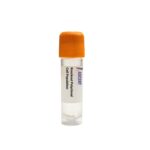
The LHPP Knockout Raji Polyclonal Cells are a CRISPR/Cas9-edited polyclonal knockout cell population derived from Raji B lymphocytes, engineered for loss-of-function studies of LHPP. This heterogeneous pool enables functional genomics investigations without cloning artifacts, preserving biological variability for bulk assays. The targeting disrupts LHPP via CRISPR/Cas9-mediated gene disruption, providing a versatile model for cancer research and drug target validation.
The host Raji cell line is an EBV-positive Burkitt lymphoma-derived lymphoblastoid line from a male patient, extensively used for B-cell malignancy and immune response studies. These cells exhibit robust proliferation and immunoglobulin production, making them appropriate for analyzing signaling pathways relevant to lymphoma pathobiology, including tumor suppression and metabolic rewiring.
LHPP, a histidine phosphatase, dephosphorylates phosphohistidine residues on proteins such as ACLY, dampening AKT/mTOR signaling and lipid metabolism to suppress proliferation. Its loss causes phosphohistidine accumulation on ACLY, aberrantly activating mTORC1 and downstream cell cycle regulators. LHPP is regulated by SP1 and frequently silenced by promoter hypermethylation; its inactivation is linked to hepatocellular carcinoma, cervical cancer, colorectal cancer, gastric cancer, and lymphoma. Key pathway components include AKT, mTOR, ACLY, and phosphohistidine-containing proteins, marking LHPP as a critical tumor-suppressive factor in oncogenic networks.
In the Raji lymphoma context, LHPP disruption facilitates investigation of its tumor-suppressive roles specifically in malignant B lymphocytes. The AKT/mTOR pathway is central to lymphomagenesis, and loss of LHPP-mediated histidine dephosphorylation may drive enhanced proliferation and metabolic reprogramming characteristic of Burkitt lymphoma. This model allows researchers to explore cooperation between LHPP inactivation and EBV-driven oncogenic processes, providing a physiologically relevant system for studying lymphomagenesis and evaluating therapeutic strategies targeting ACLY or mTORC1.
This polyclonal knockout cell population supports a wide range of functional assays, including Western blotting for ACLY, RT-qPCR, MTT proliferation, colony formation, flow cytometric cell cycle analysis, and metabolic flux assays. Co-immunoprecipitation experiments can examine interactions with phosphohistidine-containing proteins. Key applications encompass tumor suppressor mechanism studies, histidine phosphorylation signaling investigation, cancer metabolism research, drug target validation, and lymphoma disease modeling. For further details, please contact Ascent Research.