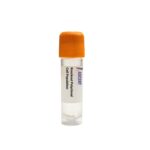
LMBR1 Knockout Raji Polyclonal Cells are a CRISPR/Cas9-edited polyclonal knockout cell population derived from the Raji B lymphocyte cell line, engineered for targeted disruption of the LMBR1 gene. This polyclonal pool comprises a heterogeneous mix of cells carrying diverse loss-of-function mutations, providing a robust in vitro model to study LMBR1-dependent functions without the constraints of a single clonal isolate. The knockout model is suitable for investigating gene functions in a lymphocytic context relevant to B cell biology and lymphoma research.
The Raji host cell line originates from a Burkitt??s lymphoma patient and is Epstein-Barr virus (EBV)-positive. As a widely used B lymphocyte model, Raji cells retain key characteristics of B cells, including antigen presentation and antibody production capabilities, and are instrumental in studies of humoral immunity and lymphomagenesis. Their EBV positivity provides a unique background for interrogating virus?Chost interactions and oncogenic signaling pathways.
LMBR1 encodes a putative membrane receptor that functions as a critical regulator of the sonic hedgehog (SHH) signaling pathway during limb development. It acts upstream of SHH, modulating cholesterol-dependent processing or transport of the SHH protein, and controls digit patterning through the zone of polarizing activity regulatory sequence (ZRS) enhancer. In this signaling network, LMBR1 interacts with cholesterol and is mechanistically linked to pathway components including PTCH1, SMO, and GLI transcription factors. Upstream regulators of LMBR1 include SHH itself and HOXD cluster genes, while downstream targets encompass SHH expression and ZRS enhancer activity. Disruption of LMBR1 leads to aberrant SHH pathway activation and digit malformations such as preaxial polydactyly and triphalangeal thumb.
Although LMBR1 is predominantly studied in developmental contexts, its expression in B lymphocytes raises questions about its potential roles outside limb patterning. Given that SHH signaling is implicated in lymphomagenesis and B cell malignancies, this LMBR1 knockout model in Raji cells offers a valuable tool to dissect hedgehog pathway contributions in lymphoma biology. The polyclonal population mimics heterogeneous tumor environments, enabling exploration of non-canonical LMBR1 functions in immune cells and their transformation.
This knockout product supports a wide range of experimental applications, including functional studies of LMBR1 in B lymphocyte homeostasis, investigation of SHH pathway activity in lymphoma, and drug target validation. Representative assays include RT-qPCR and western blotting for knockout confirmation, RNA-seq for transcriptomic profiling, flow cytometry for B cell surface markers, SHH pathway reporter assays, and proliferation assays. The polyclonal knockout cells provide a flexible platform for both mechanistic studies and screening applications. For further information or to discuss custom requirements, please contact Ascent Research.