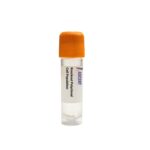
The MISP Knockout Raji Polyclonal Cells represent a CRISPR/Cas9-edited polyclonal knockout cell population in which the gene encoding MISP (mitotic spindle positioning protein) has been disrupted. This product provides a heterogeneous pool of Raji cells carrying diverse loss-of-function mutations at the MISP locus, generated via CRISPR/Cas9-mediated gene disruption. The resulting polyclonal pool enables functional studies of MISP-dependent spindle orientation and cytoskeletal dynamics in a lymphoma background. As a polyclonal knockout model, it avoids the clonal selection biases inherent in monoclonal lines, offering a more representative loss-of-function scenario for population-level analyses.
The host cell line is the Raji human B lymphocyte line, originally derived from a Burkitt lymphoma patient. Raji cells are Epstein?CBarr virus (EBV)-positive and exhibit characteristics of germinal center B cells, making them a widely used model for B-cell malignancies and lymphomagenesis. They grow in suspension, facilitating large-scale culture and high-throughput screening applications. The EBV-driven proliferation and anti-apoptotic signaling underscore the relevance of mitotic regulators in this cell type. Combined with MISP knockout, this model allows investigation of how mitotic spindle orientation contributes to lymphoma cell division and genomic stability.
MISP is a key mitotic substrate of the Polo-like kinase 1 (PLK1) and an essential regulator of spindle orientation. During mitosis, PLK1 phosphorylates MISP, promoting its localization to the mitotic spindle and the cortical actin cytoskeleton. There, MISP functions as an anchor that recruits the dynein/dynactin motor complex, interacting directly with p150Glued and ??-tubulin, as well as with actin filaments. This interaction facilitates the cortical pulling forces necessary for correct spindle positioning. MISP acts downstream of PLK1 and Aurora A, and upstream of the NuMA?CLGN?Cdynein axis; thus, its loss disrupts the coordination between astral microtubules and the cell cortex, leading to spindle misorientation and aberrant mitotic progression.
In the Raji lymphoma background, MISP knockout is particularly informative for examining how spindle orientation defects influence cancer cell proliferation and survival. Lymphoma cells often exhibit altered mitotic fidelity and cytoskeletal organization; MISP disruption in this context may exacerbate mitotic errors, leading to delayed cell division, aneuploidy, or apoptosis. This model therefore enables dissection of PLK1-dependent pathways in a malignancy-relevant setting. It also provides a platform to evaluate the therapeutic potential of targeting mitotic regulators, as Raji cells are sensitive to anti-mitotic agents and PLK1 inhibition. Researchers can use this system to link spindle positioning to lymphoma cell growth dynamics and drug responses.
This polyclonal knockout product is suitable for a range of assays, including Western blotting to confirm MISP loss, immunofluorescence for spindle orientation analysis, live-cell imaging to track mitotic progression, flow cytometry for cell cycle profiling, and apoptosis assays under PLK1 inhibitor treatment. It supports drug screening efforts focused on anti-mitotic compounds and PLK1-targeted therapies. The MISP Knockout Raji Polyclonal Cells serve as a powerful tool for dissecting the molecular mechanisms of spindle orientation and cytoskeletal coordination in lymphoma. For further information, please contact Ascent Research.