Security Notice: Please be aware of impersonation attempts using our company name
Legitimate communications from Ascent Research will only come from official @ascentresearch.com email addresses.
Quick Order Cart

Cat. No. ARG1812

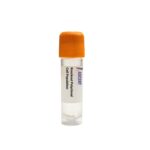
MPG Knockout Raji Polyclonal Cells

  • Product Type:

    Polyclonal Cell Population

  • Species:

    Homo sapiens (Human)

  • Tissue Source:

    Bone

  • Disease:

    Burkitt lymphoma

MPG Knockout Raji Polyclonal Cells constitute a CRISPR/Cas9-edited polyclonal population from the EBV-positive Raji B lymphoblastoid line, with targeted disruption of MPG. MPG encodes the glycosylase that initiates base excision repair, excising 3-methyladenine and other alkylated bases. These knockout cells exhibit impaired DNA repair, heightened sensitivity to alkylating agents like temozolomide, and increased genomic instability. Applicable in BER, lymphoma, and drug sensitivity studies, this model is suited for assays such as Western blotting, comet assay, and immunofluorescence. Key interacting factors include XRCC1, APE1, and POLB, which coordinate downstream repair steps.

Inquire Now

In stock

Ships next business day


Ask a Question

Shipping Info:

Cryopreserved in vials and shipped on dry ice


Disclaimer:

For Research Use Only

  • Characteristics

    Host Cell

    Raji

    Cell Type

    B cell line

    Sex of Donor

    Male

    Age

    11 years

    Derived From Site

    In situ; Maxilla

    Gene Name

    MPG

    Gene Identifier

    NCBI Gene ID 4350

    Morphology

    Lymphoblast-like

    Growth Mode

    Suspension

    Storage

    Liquid nitrogen (LN2)

  • Culture Conditions

    Growth medium

    RPMI 1640

    Supplement(s)

    10% Fetal Bovine Serum, 1% Penicillin-Streptomycin Solution

    Temperature

    37°C

    Atmosphere

    5% CO₂

  • Quality Control

    Sterility testing

    The bacterial, yeast, and fungi are not detected in these cells by daily monitor.

    Mycoplasma testing

    Negative for mycoplasma through PCR analysis

  • Disclaimer

    Intended Use

    This product is intended for laboratory in vitro use only. lt is not intended for diagnostic, therapeutic, or clinical applications.

    Disclaimer

    Ascent Research endeavors to provide accurate and up-to-date product information. However, no warranties or representations are made regarding its completeness or reliability. References to scientific literature and patents are for informational purposes only, and the customer assumes sole responsibility for verifying their accuracy.

    By accepting this product, the customer acknowledges and agrees to assume all risks associated with its receipt, handling, storage, disposal, and use, including compliance with all applicable safety and environmental regulations and precautions. Relevant laws, regulations, and ethical guidelines must be followed in conducting any research, modifications, or derivatives derived from this product.

    This product is provided "AS IS", and except as expressly stated herein, Ascent Research disclaims all other warranties, express or implied. Under no circumstances shall Ascent Research, its affiliates, or representatives be liable for indirect, incidental, consequential, or punitive damages arising from the use of this material. While Ascent Research employs rigorous quality control measures, we shall not be held responsible for damages resulting from misidentification or misinterpretation of the provided materials.

Description

The MPG Knockout Raji Polyclonal Cells are a CRISPR/Cas9-edited polyclonal knockout population derived from the Raji B lymphoblastoid cell line. This heterogeneous pool harbors disrupted alleles of the MPG gene, which encodes N-methylpurine DNA glycosylase, a critical initiator of base excision repair (BER). By using polyclonal cells rather than a single-cell-derived clone, this product minimizes clonal selection artifacts and provides a biologically relevant population-level model of MPG deficiency. Supplied as a ready-to-use resource, these cells are ideal for investigations into DNA repair dynamics, genomic stability, and therapeutic responses.

The Raji cell line is an Epstein-Barr virus (EBV)-positive B lymphoblastoid line derived from a Burkitt lymphoma patient. These suspension-adapted cells exhibit features of mature B lymphocytes and are widely utilized in studies of apoptosis, immunoglobulin regulation, and viral oncogenesis. Their origin in a lymphoid malignancy makes them a pertinent system for exploring DNA repair mechanisms in the context of B-cell biology and lymphomagenesis.

Mechanistically, MPG recognizes and removes alkylated and oxidized DNA bases, including 3-methyladenine, 7-methylguanine, and hypoxanthine, thereby initiating the BER pathway. Its expression is induced by DNA damage, oxidative stress, and the transcription factor NRF2. After base excision, MPG functionally engages the scaffold protein XRCC1, which then coordinates the sequential recruitment and activity of AP endonuclease 1 (APE1), DNA polymerase beta (POLB), and DNA ligase III (LIG3). Proliferating cell nuclear antigen (PCNA) is implicated in long-patch BER and interacts with MPG?CXRCC1 complexes. In this knockout model, the absence of functional MPG blocks efficient lesion excision, leading to an accumulation of abasic sites and single-strand breaks. Unrepaired intermediates may be converted to double-strand breaks during DNA replication, activating the broader DNA damage response mediated in part by poly(ADP-ribose) polymerase 1 (PARP1).

In the Raji lymphoma environment, MPG knockout results in persistent alkylation-induced DNA lesions, elevated mutation rates, and heightened sensitivity to alkylating chemotherapeutics such as temozolomide and methyl methanesulfonate. Combined with the inherent genomic instability and EBV-driven proliferative signals, MPG deficiency may influence lymphomagenesis and therapeutic outcomes. This model thus offers a powerful system for dissecting the contributions of BER to B-cell malignancy, investigating synthetic lethal relationships with inhibitors of PARP or other repair factors, and testing strategies to exploit DNA repair vulnerabilities.

The MPG Knockout Raji Polyclonal Cells support a broad range of assays, including Western blotting and flow cytometry for protein expression analysis, RT-qPCR for transcript quantification, comet assay and ??H2AX immunofluorescence for DNA damage assessment, cell cycle profiling, and dose-response drug sensitivity tests with alkylating agents. Mutagenesis and clonogenic survival assays can further explore genomic instability and long-term cytotoxicity. Together, these polyclonal knockout cells provide a multifaceted and physiologically relevant platform for advancing research in DNA repair, cancer biology, and therapeutic development. For further details, please contact Ascent Research.


Reset Password

    Reach Us Questions? Click Me Here!

    Fill out the form below and a member of our team will contact you shortly!

    *Required field


      Reach Us

      Fill out the form below and a member of our team will contact you shortly!

      *Required field

      Product Inquiry (Optional)