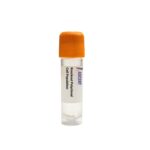
The NSUN2 Knockout Raji Polyclonal Cells are a CRISPR/Cas9-edited polyclonal knockout population derived from the Raji B-lymphocyte line, featuring targeted disruption of the NSUN2 gene. NSUN2 encodes the RNA methyltransferase responsible for 5-methylcytosine (m5C) modification of RNA. The polyclonal composition provides heterogeneous genetic backgrounds suitable for pooled functional studies and high-throughput screens. This ready-to-use tool enables investigation of epitranscriptomic regulation in B-cell malignancies, with applications spanning tRNA biology and stress response.
Raji cells are an EBV-positive Burkitt lymphoma-derived lymphoblastoid cell line used extensively in hematological cancer research. These B lymphocytes harbor a MYC translocation that drives constitutive proliferation and maintain MYC-dependent and stress-response signaling networks relevant to lymphomagenesis. The EBV genome contributes to the oncogenic phenotype, offering a robust system for studying viral-lymphoma interactions and aggressive B-cell lymphoma mechanisms, including the interplay between viral latency programs and host RNA modification machinery.
NSUN2 is an RNA methyltransferase that installs m5C on tRNAs, mRNAs, and non-coding RNAs, thereby modulating RNA stability, translation, and stress adaptation. It is transcriptionally activated by MYC and phosphorylated by AURKA kinase, which regulate its methyltransferase activity and substrate interactions. Downstream, NSUN2 methylates tRNA substrates, influencing translation of stress-responsive mRNAs such as CDKN1A (p21), and intersects with p53 signaling. It interacts with NPM1 and NCL within nucleolar complexes involved in RNA processing and ribosome biogenesis.
In Raji Burkitt lymphoma cells, NSUN2 is central to MYC-driven proliferation and stress circuitry. NSUN2 knockout eliminates m5C tRNA modifications, impairing translation of specific cell cycle and stress-survival mRNAs. This disrupts p53 signaling and MYC-regulated pathways, enabling dissection of epitranscriptomic nodes that support lymphoma growth and drug sensitivity. These polyclonal knockout cells thus provide a powerful model to analyze RNA modification-dependent oncogenic signaling in B-cell malignancies.
These cells are suitable for tRNA bisulfite sequencing, RNA-seq, and polysome profiling to investigate m5C modification dynamics and translation control. Western blotting and RT-qPCR enable analysis of stress-response proteins and MYC targets. Proliferation assays and drug profiling assess NSUN2-dependent chemosensitivity. The model supports studies of the MYC?CNSUN2?Cp53 axis and AURKA-mediated phosphorylation in lymphoma. For additional information, please contact Ascent Research.