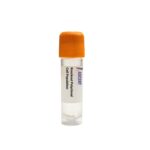
The PDCD10 Knockout Raji Polyclonal Cells product is a CRISPR/Cas9-edited polyclonal knockout cell population derived from the Raji B lymphoblast cell line. This model features targeted disruption of the PDCD10 gene, which encodes the programmed cell death 10 protein (also known as CCM3). The polyclonal population contains a heterogeneous mixture of cells with CRISPR/Cas9-mediated loss-of-function mutations at the PDCD10 locus, providing a robust tool for studying gene function without the selection pressure of a single clone. This product is suitable for experiments that require a knockout background in a human B lymphocyte context, enabling investigation of apoptosis signaling, cell survival pathways, and the molecular mechanisms of vascular and cancer biology.
The Raji cell line is an Epstein?CBarr virus (EBV)-positive B lymphoblast line originally derived from a patient with Burkitt??s lymphoma. These suspension cells exhibit characteristics of mature B lymphocytes and are widely used in immunology and oncology research due to their robust growth and stable phenotype. The EBV genome contributes to immortalization and influences cellular signaling, making Raji cells a relevant model for studying B-cell malignancies and the impact of viral latency on host cell processes. In this context, disruption of PDCD10 allows researchers to dissect its role in apoptosis regulation within a lymphoblastoid background.
PDCD10 (CCM3) functions as a critical scaffold protein that integrates multiple signaling pathways governing apoptosis, cell survival, and cytoskeletal dynamics. It forms an integral component of the STRIPAK (striatin-interacting phosphatase and kinase) complex, where it interacts with serine/threonine kinases STK25 and MST4, and the phosphatase PP2AC. Additionally, PDCD10 is a core member of the cerebral cavernous malformation (CCM) complex, associating with CCM1 (KRIT1) and CCM2 to modulate endothelial homeostasis. Mechanistically, PDCD10 acts upstream of the RhoA/ROCK and ERK5 signaling axes: loss of PDCD10 leads to elevated RhoA activity and ROCK kinase activation, while also promoting MEKK3-MEK5-ERK5 pathway signaling, resulting in increased expression of the transcription factor KLF2 and downstream targets like KLF4. These interactions place PDCD10 at a nexus controlling vascular integrity and apoptotic sensitivity.
In the Raji B lymphoblast model, PDCD10 knockout provides a unique platform to examine the intersection of apoptosis signaling and B-cell lymphoma biology. Given that PDCD10 sensitizes cells to apoptosis, its disruption may confer resistance to programmed cell death, mimicking aspects of lymphomagenesis. Moreover, the well-characterized signaling defects associated with PDCD10 loss??including RhoA/ROCK hyperactivation and ERK5 upregulation??can be systematically studied in a hematopoietic context. This allows researchers to investigate whether CCM3 deficiency influences lymphoproliferation, survival under genotoxic stress, or responses to chemotherapeutic agents. The model is particularly valuable for elucidating how CCM complex components, traditionally studied in endothelial cells, function in immune cell types.
This polyclonal knockout cell population is ideally suited for a range of functional studies and drug discovery applications. Researchers can employ annexin V/PI flow cytometry to quantify apoptosis induction, RhoA G-LISA to measure RhoA activation, and phospho-ERK5 western blotting to monitor signaling downstream of PDCD10 loss. Co-immunoprecipitation assays can validate STRIPAK complex integrity, while RNA-seq transcriptome profiling can reveal global gene expression changes, including KLF2/4 target genes. The cells enable investigations into cerebral cavernous malformation signaling pathways in a non-endothelial context, screening of compounds that modulate RhoA or ERK5 pathways, and functional genomics analyses in B lymphocytes. For detailed information or to discuss your specific experimental needs, please contact Ascent Research.